
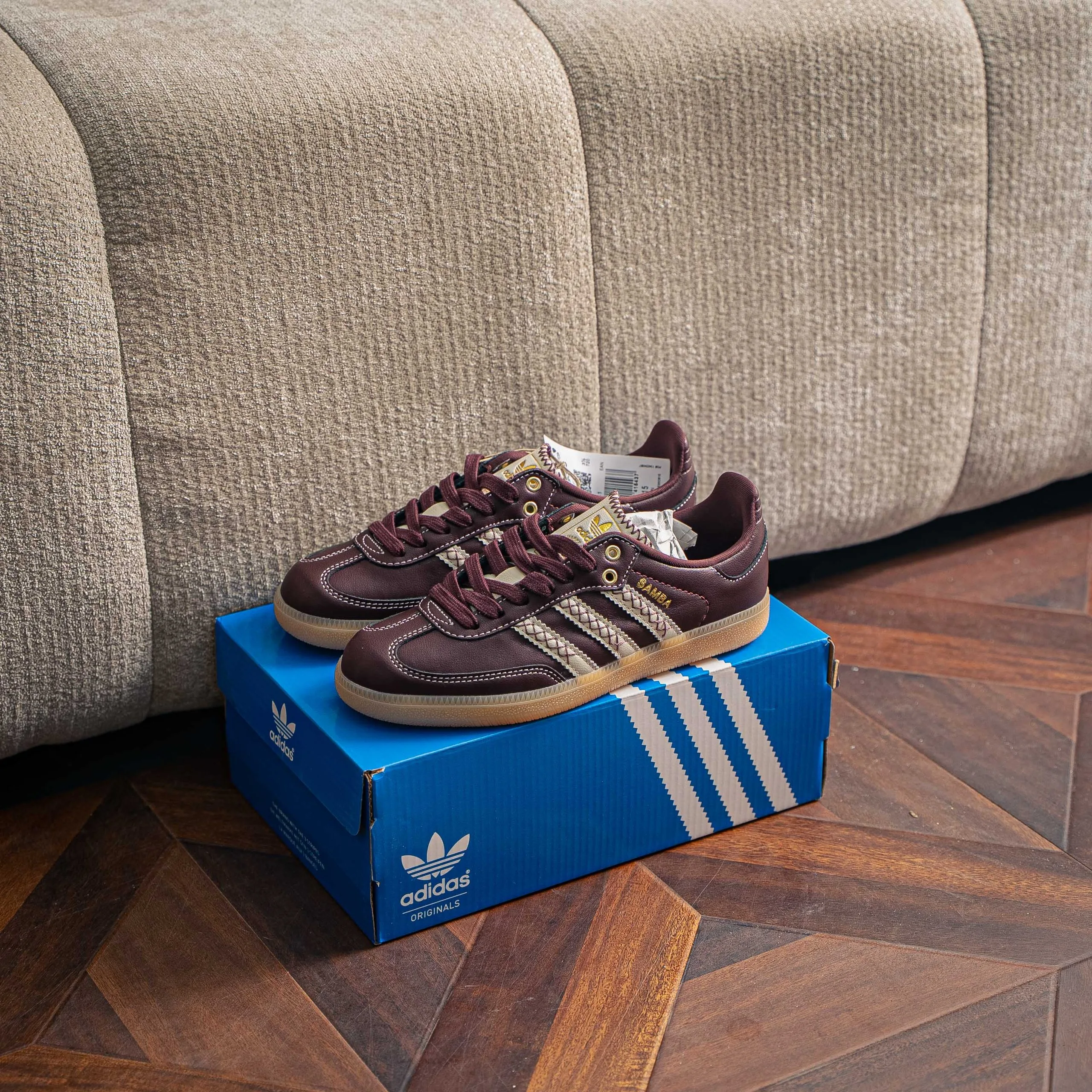
 Adidas Originals SAMBA OG T Head Shoes - Lace-up design, comfortable flat heel, low heel. It's a training shoe suitable for both men and women. Part of the Samba Dance series, it features a gentleman's style and is a versatile low-top casual sports shoe for football enthusiasts.
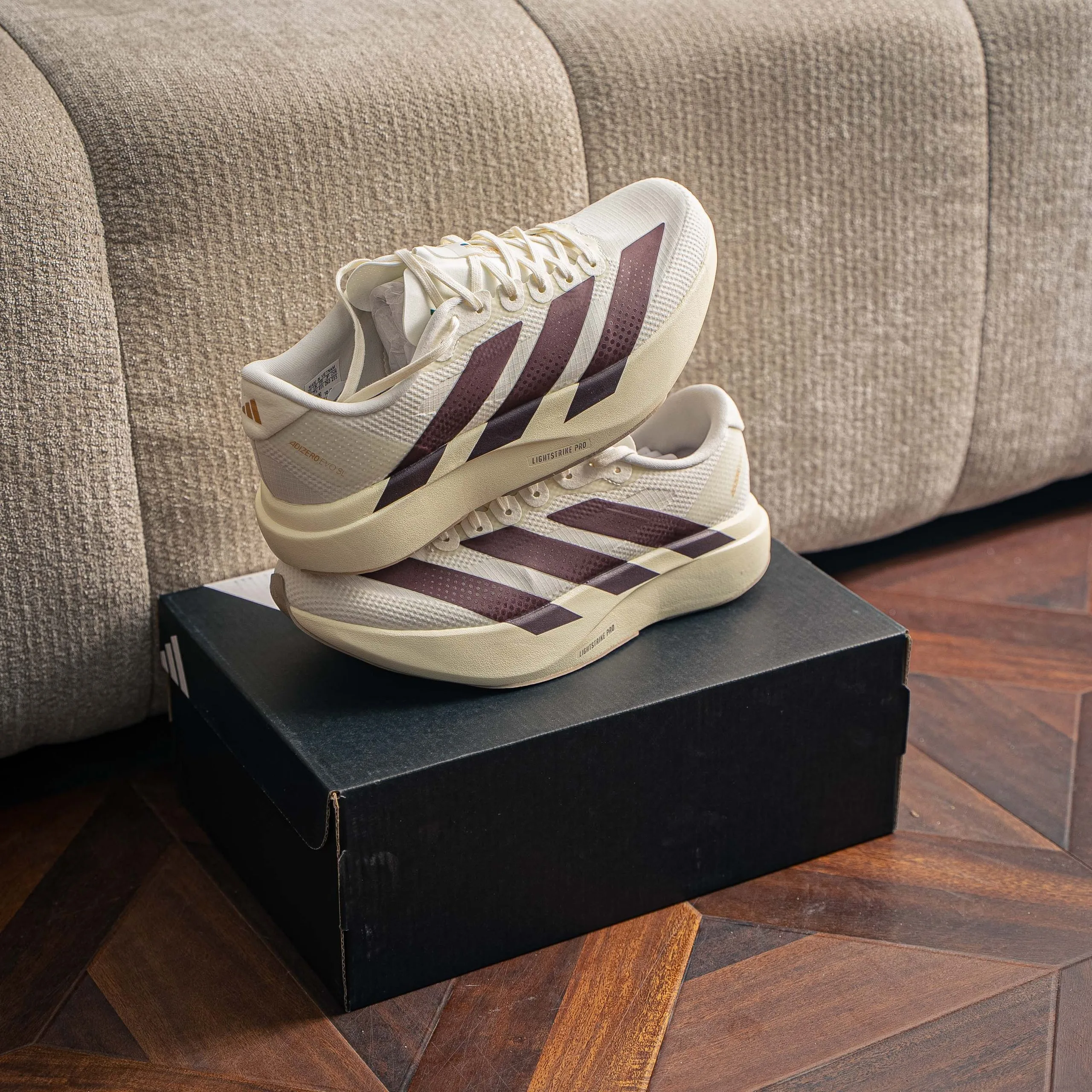 Adizero Evo SL WOVEN M - Comfortable, versatile, anti-slip, wear-resistant, low-top casual running shoes. The midsole configuration features the full-sole Lightstrike Pro. The upper is made of breathable mesh material, aligning with the positioning of everyday training shoes. The outsole is made of rubber, providing better anti-slip and wear resistance.
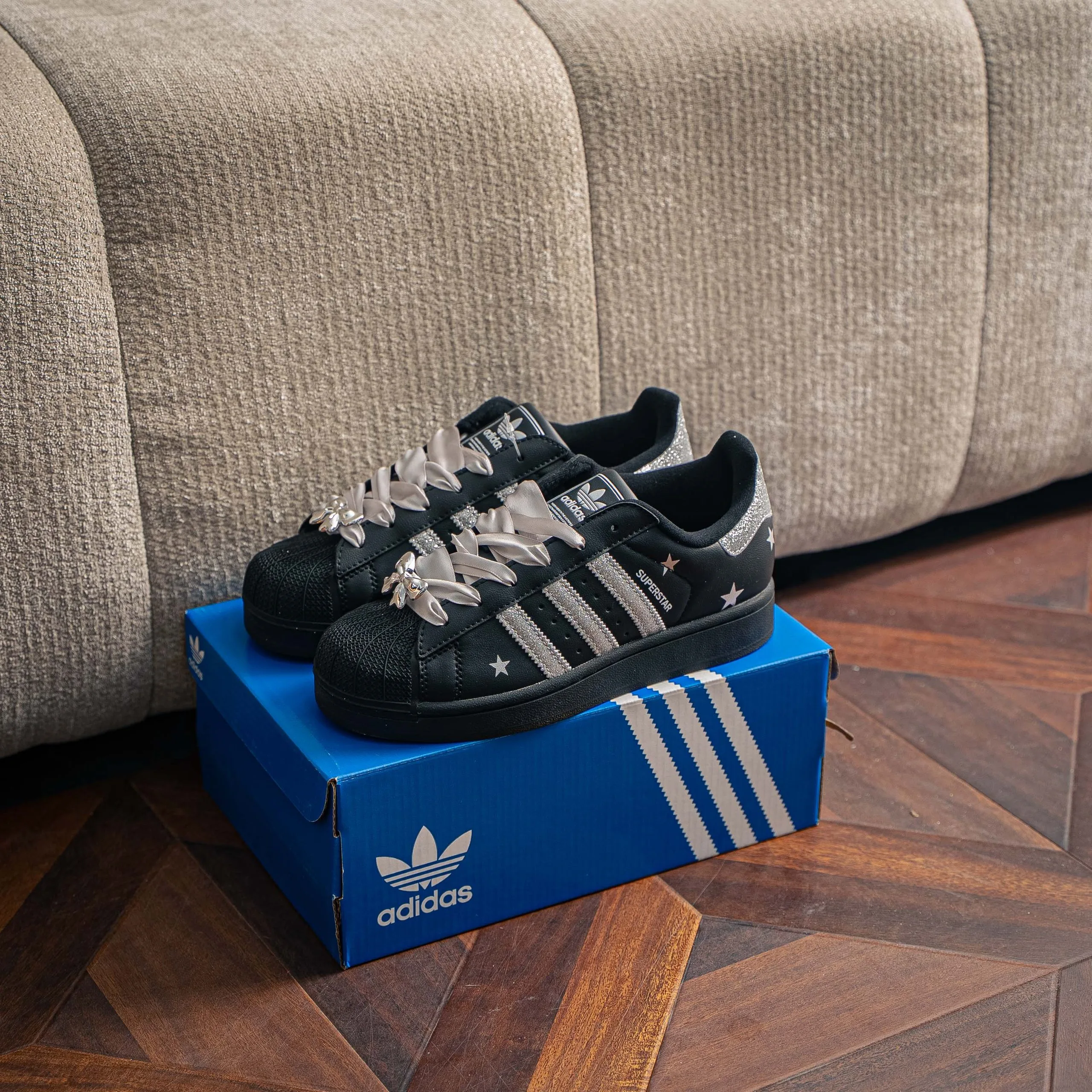 Adidas SUPERSTAR IIJ: This low-top black and silver star-patterned black and silver full-star board shoe is the second generation of the stylish and versatile Adidas Original Superstar 2 leather, comfortable and versatile low-top board shoe in black. The design is inspired by silver. The upper part is made of spray-painted material. The custom-made shoes can be washed normally. During wearing, try to avoid intense exercise and scratches caused by sharp objects. Please avoid using high-concentration organic solvents for cleaning. When cleaning, it is recommended to use a soft brush combined with a suitable concentration of cleaner to gently scrub.
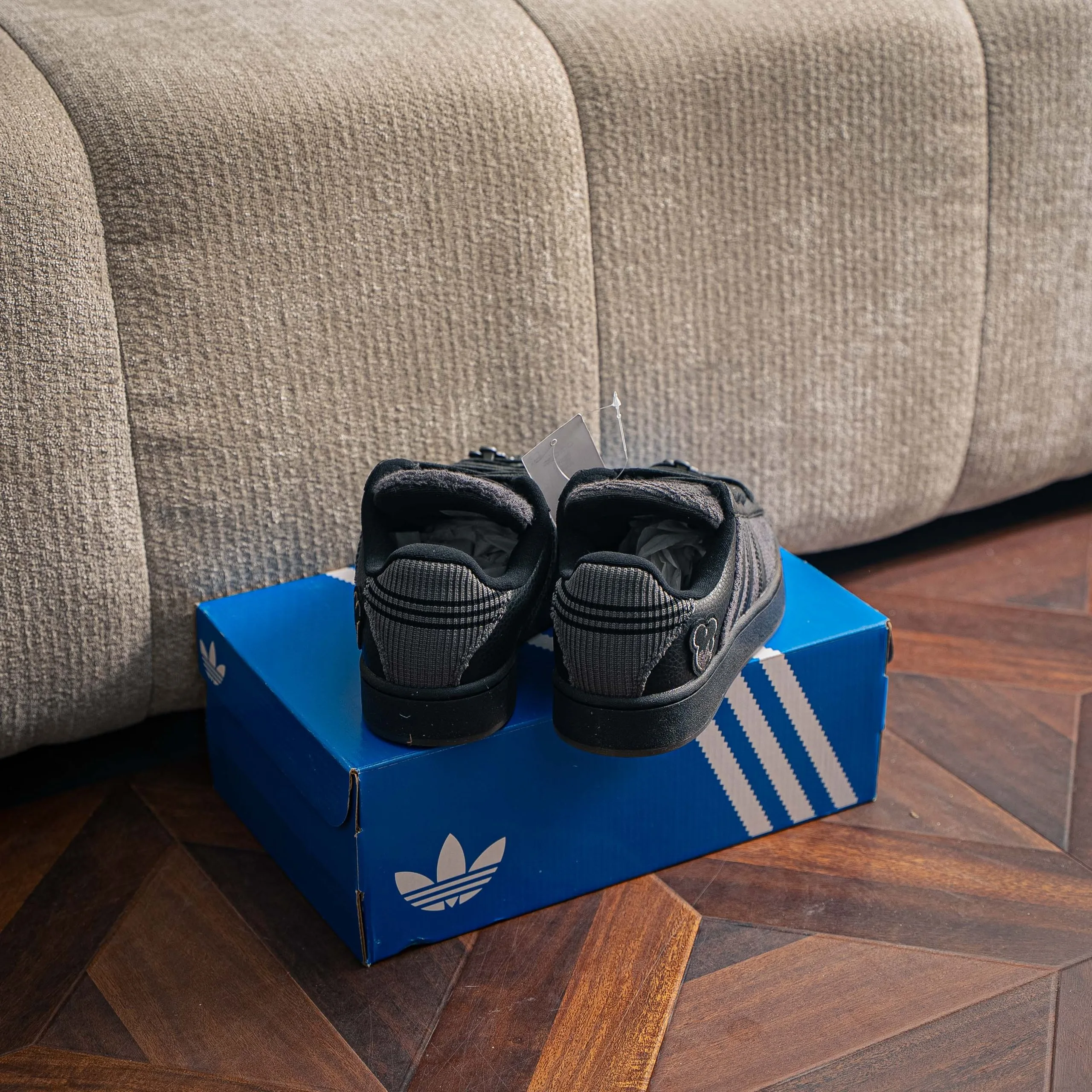 Adidas Originals × Disney / Disney Superstar ST Mickey Mouse Classic Stylish and Versatile Low-top Sneakers for Both Men and Women, Black Color
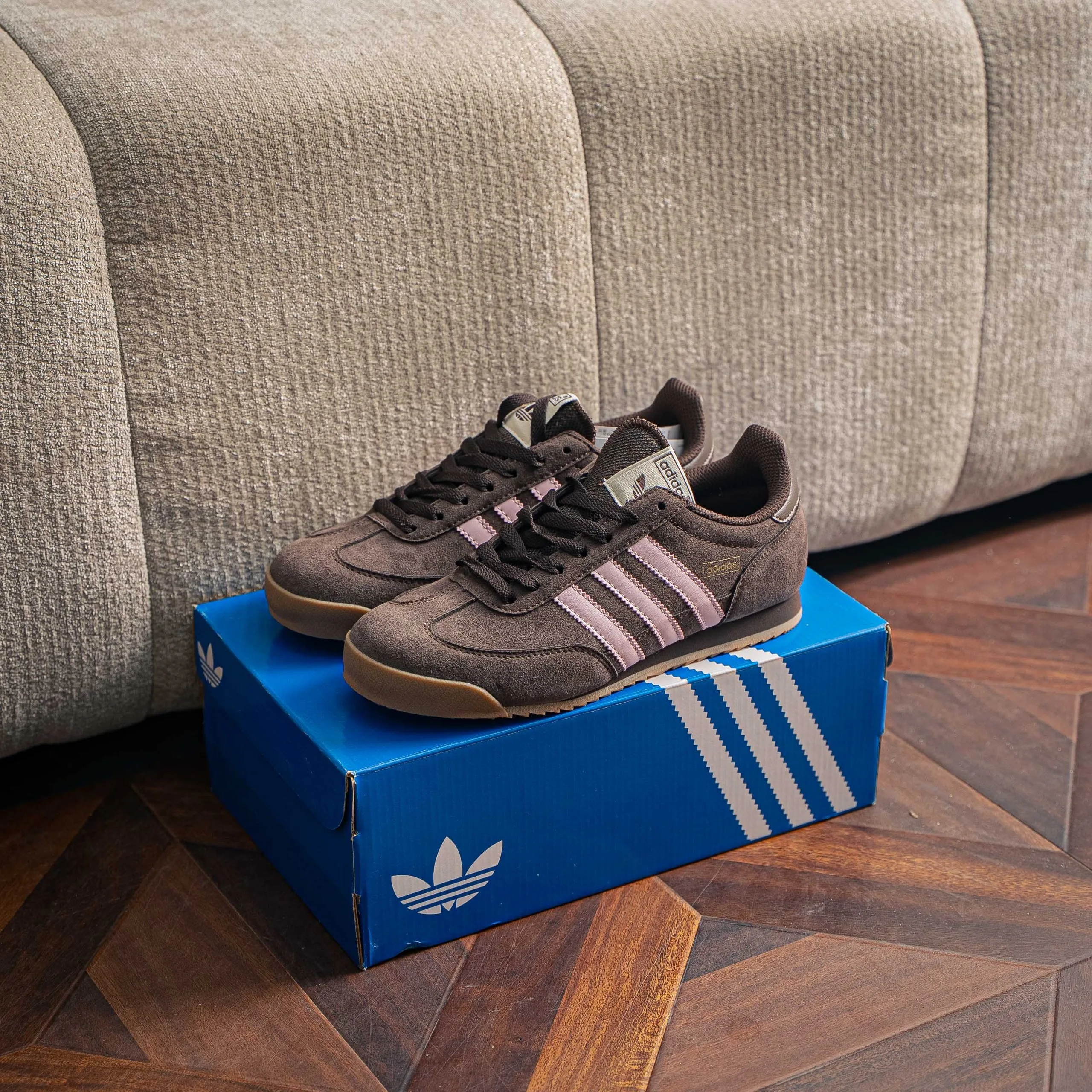 Originals R71 fabric suede leather sports shoes, providing comfort, shock absorption, anti-slip and wear resistance. Low heel. Suitable for daily life and casual wear.
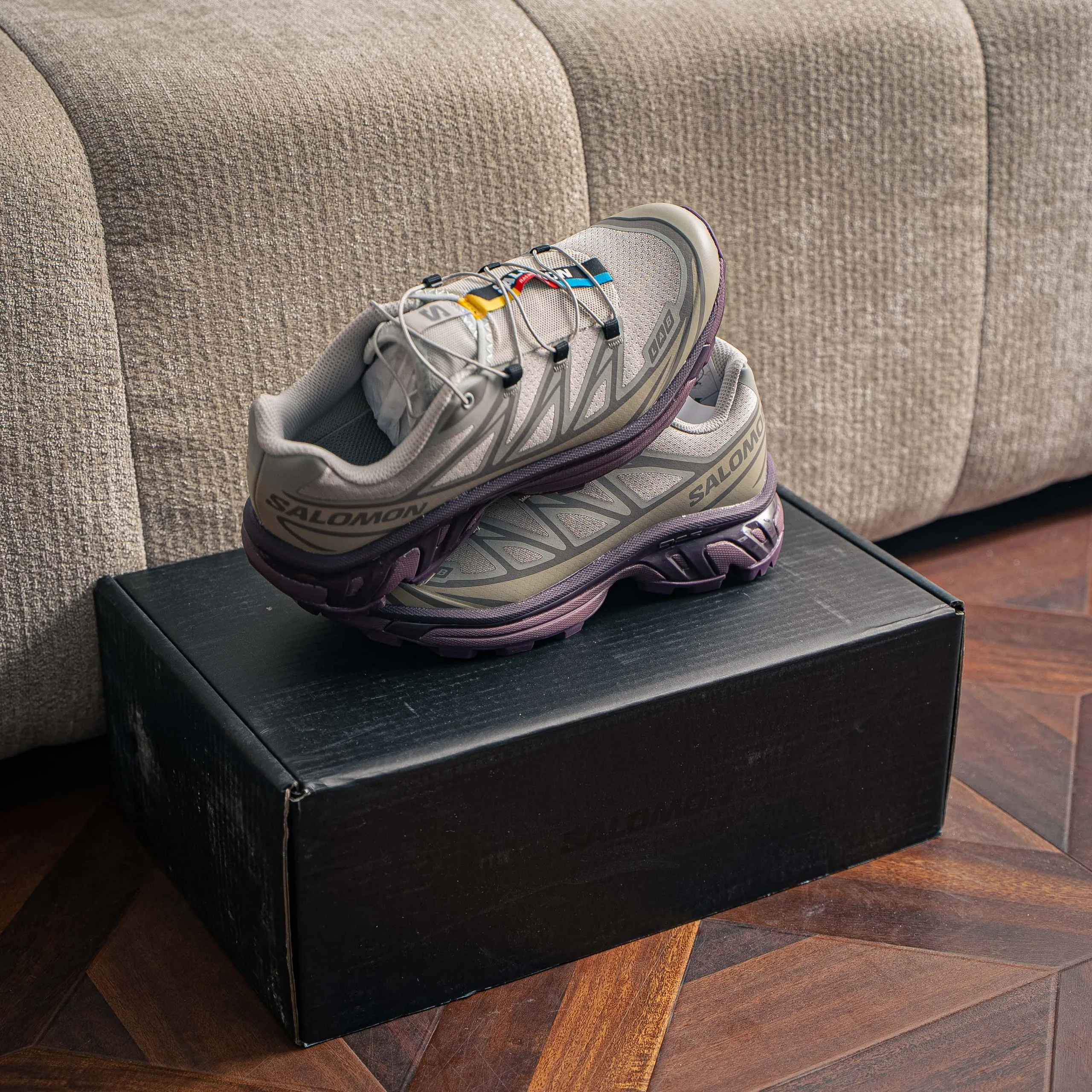 SALOMON XT-6 - Comfortable and versatile, suitable for outdoor and off-road use. Durable and supportive with good wraparound fit. Men's and women's versions with low heel design. Running shoes.