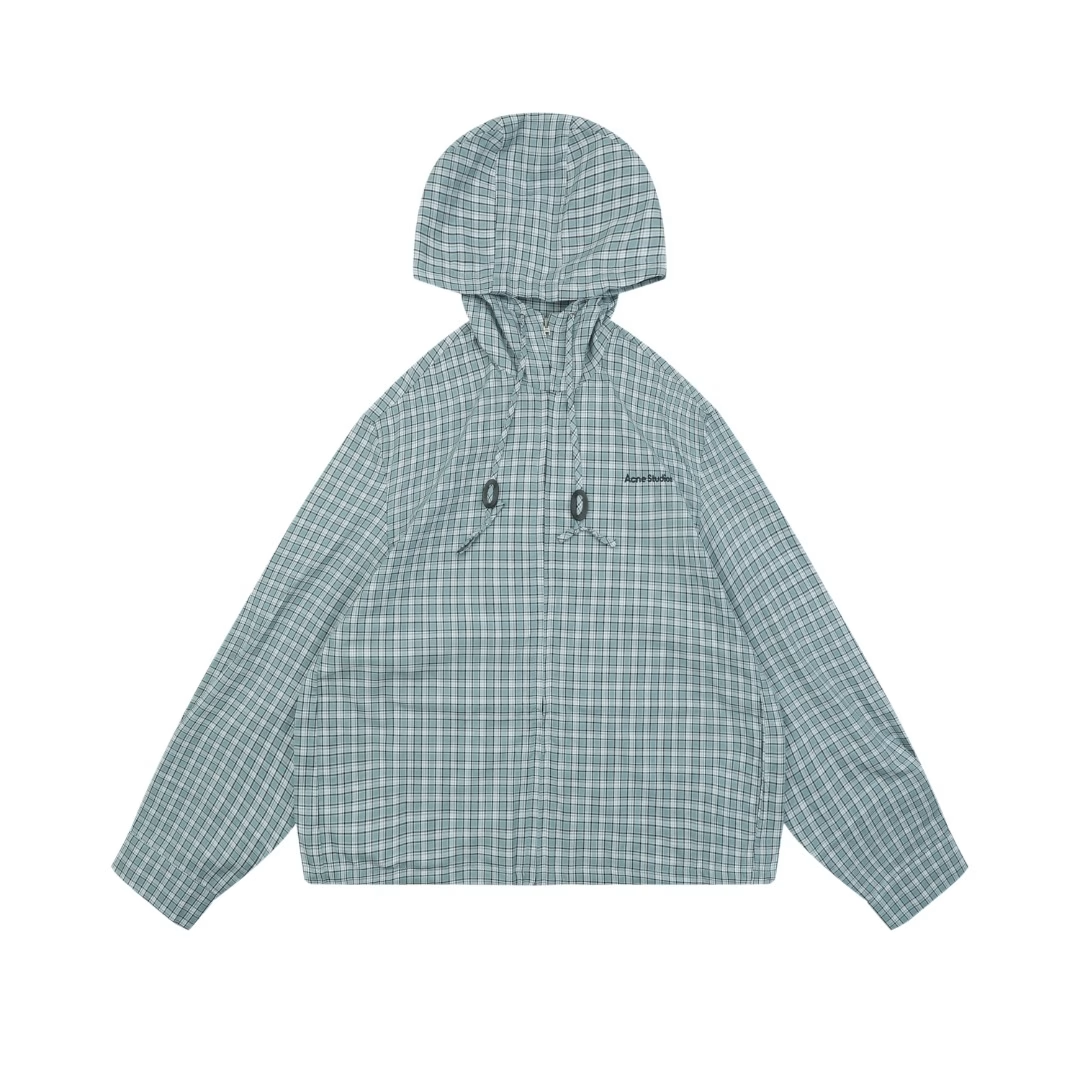
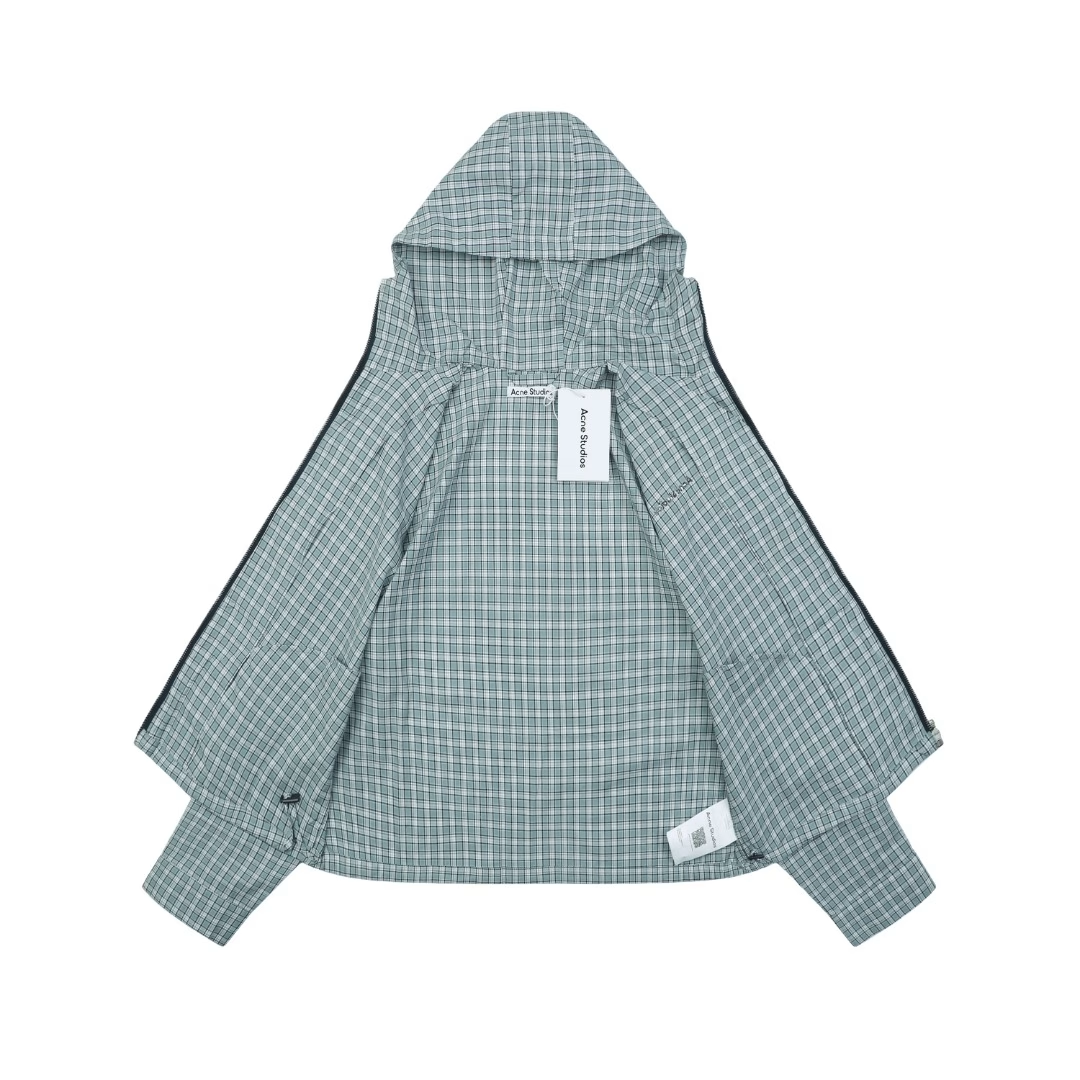
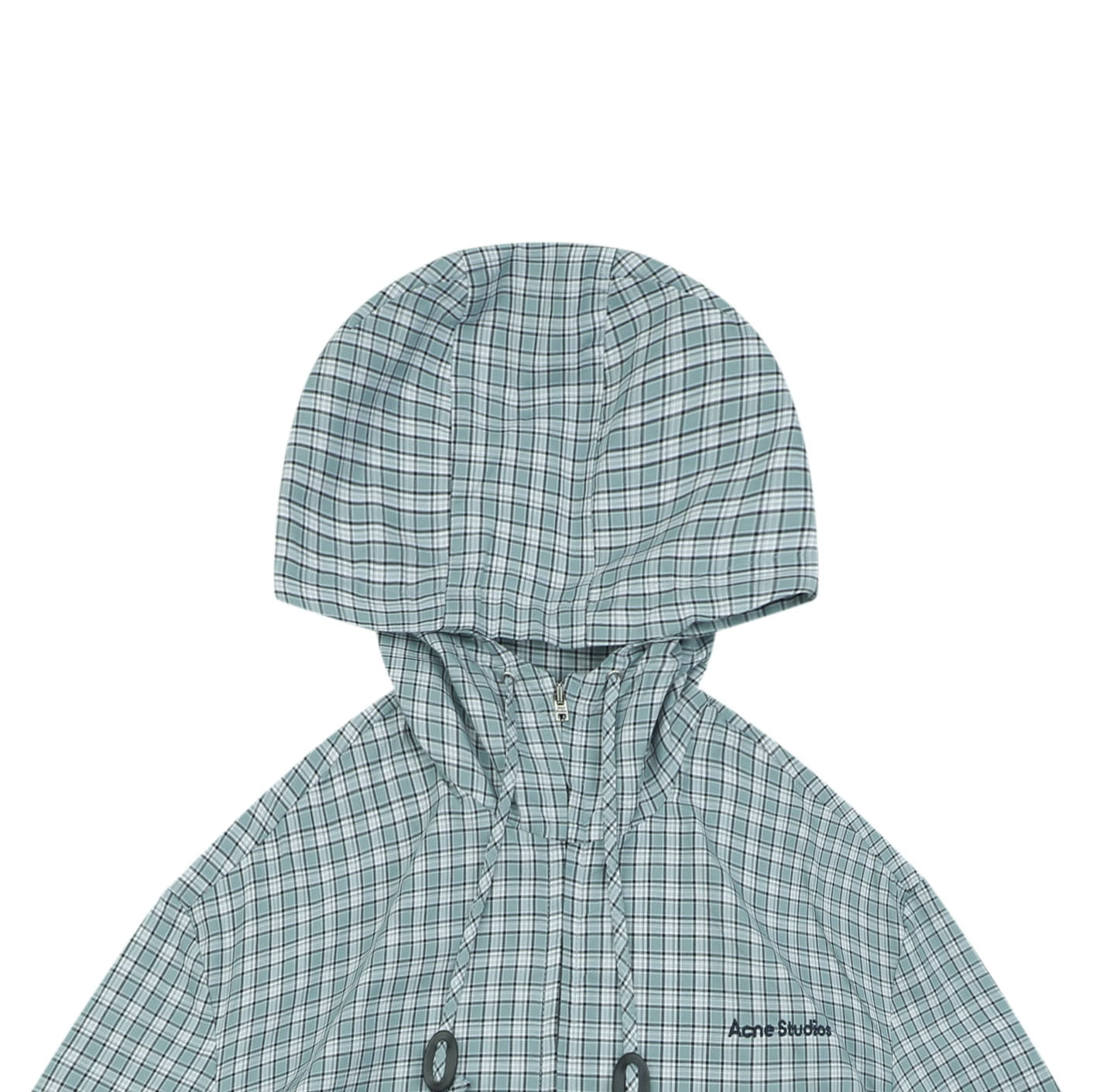
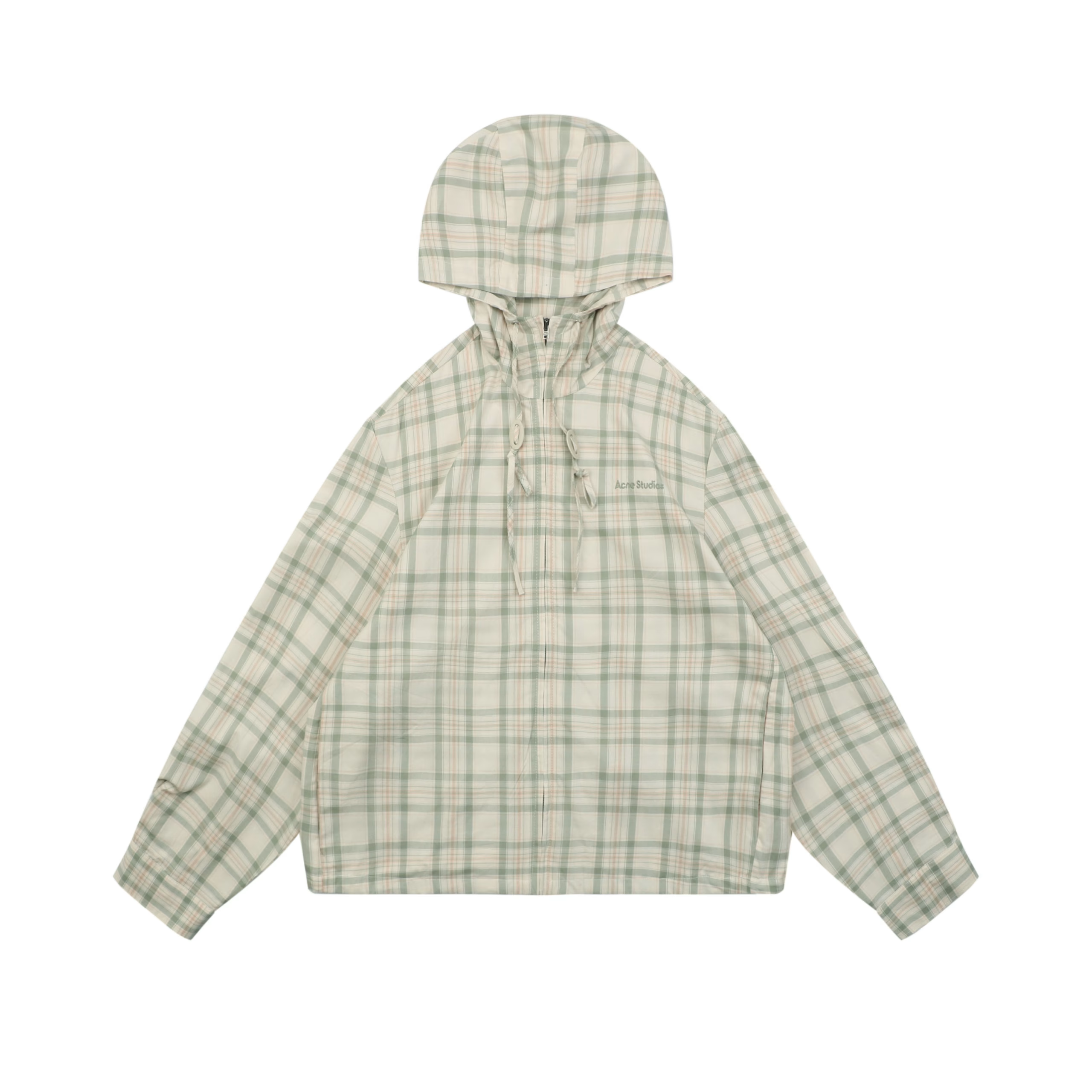
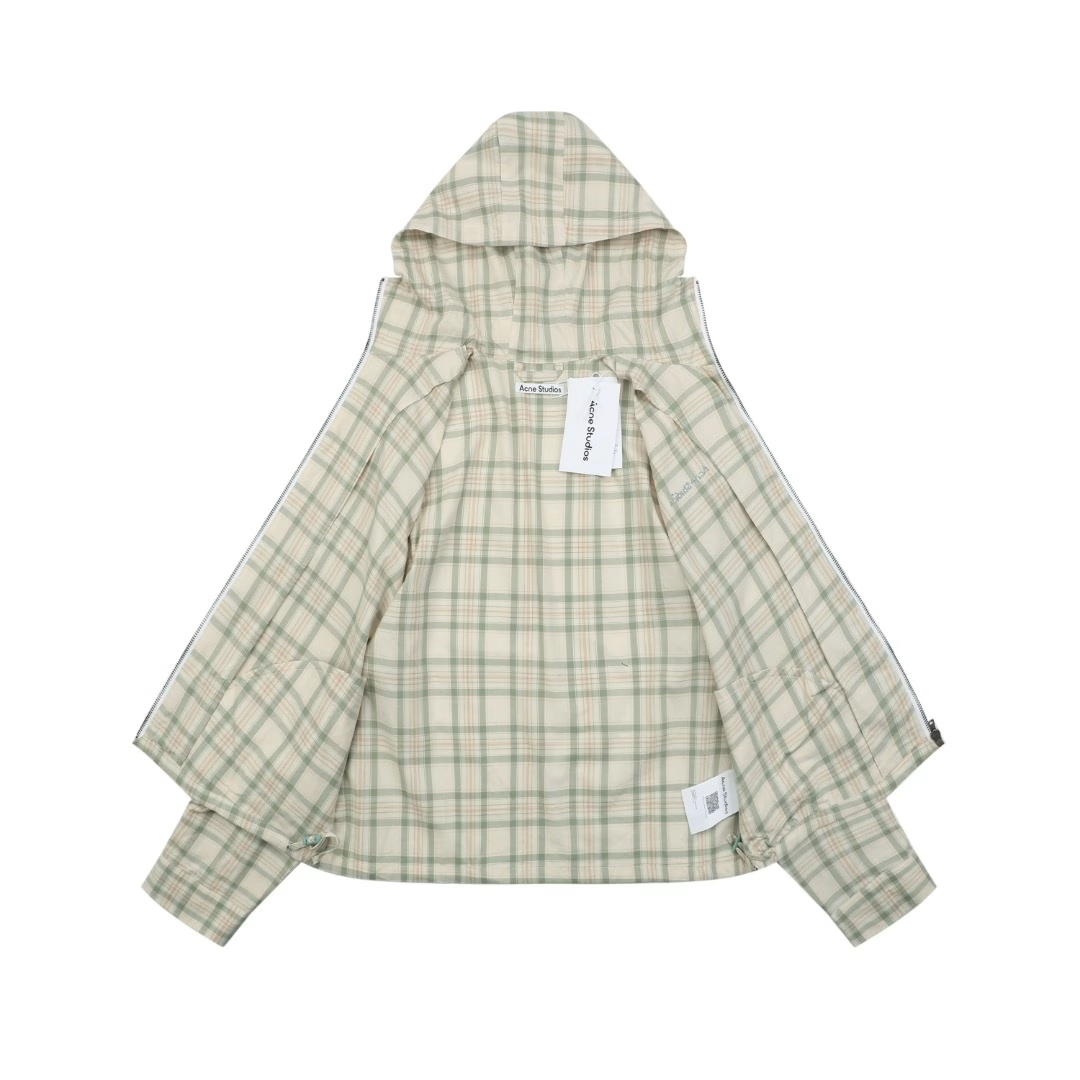
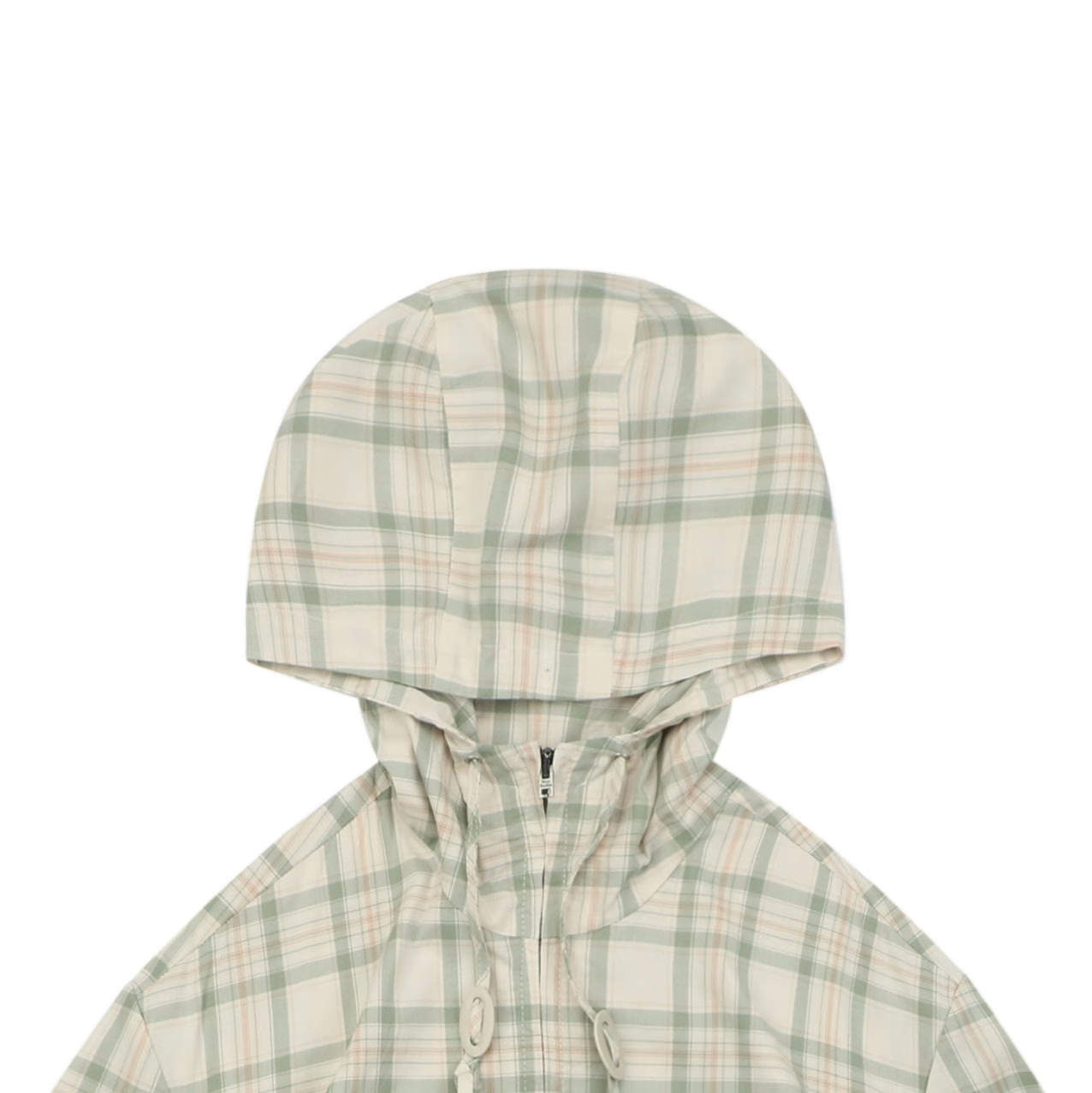
Acne Studios Acne Fine Stripes Hooded CoatThe main difficulty in making this striped hooded thin coat lies in the alignment of the stripes, the sewing of the lightweight fabric, and the assembly of multiple structural accessories. The process is complex, with strict standards for the cutting machine, the sewing workers, and the finishing process. The fabric used is a high-density, lightweight functional woven fabric, featuring fine horizontal and vertical stripes. It is thin and has low tensile strength, making it prone to stretching and deformation under force. The cutting threshold is extremely high, and the layout of the fabric requires uniform weft and warp directions. The hood piece, the front and back body, the sleeve piece, and the lower hem piece are separately laid out and stitched together. The horizontal and vertical stripes at the joining lines must be completely aligned without any misalignment, deviation, or discontinuity. The material waste is much higher than that of plain-colored fabrics. The cutting errors must be strictly controlled. Even a slight deviation will disrupt the continuity of the stripes. The sewing difficulty has increased. The tension of the lightweight fabric is unstable. The sewing requires adjusting the pressure of the presser foot and the speed of the feeding teeth to prevent the fabric from being pulled and distorted. The front zipper opening of the coat has multiple layers of double-stitched seams. The arc-shaped seams at the waist and the outer side of the sleeves are both double-layered and stitched with external drawstring positions. The metal adjustment points need to be reinforced and sealed to prevent cracking under repeated pulling. The small logo embroidery on the left chest is done with professional equipment, with uniform needle spacing. The underlying paper is used to prevent the thin material from wrinkling or developing holes. The finishing and washing of the finished product are also complicated. After sewing, it is first subjected to high-temperature shrinkage and setting to correct any minor deformations, and the uniformity of the garment's flatness is ensured. The short box-shaped silhouette strictly controls the ratio of garment length and shoulder width. After the waist drawstring is tightened, the entire part needs to be straightened without bulges or skewing. Multiple layers of lockstitching are used to advance layer by layer. The joining seams, pocket openings, and cuffs are separately heated and pressed at low temperatures to avoid extreme light imprint or wrinkles. From layout, precise alignment of stripes, multi-layer accessory stitching to final setting and adjustment, dozens of processes are closely linked. Any deviation in any step will damage the appearance and durability of the garment, and the craftsmanship is complex with strict quality control.

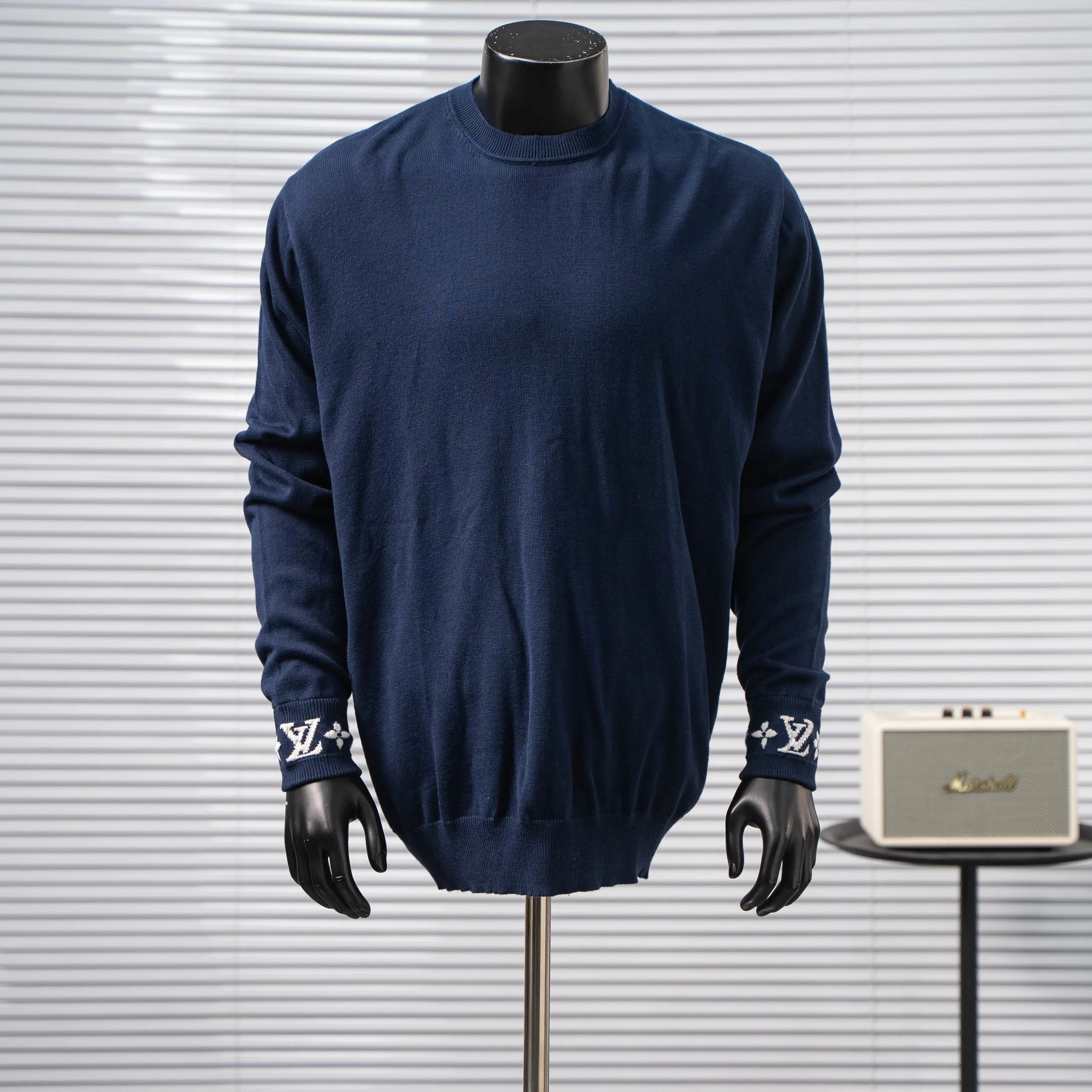 1v 25SS Plaid Ribbed Wool SweaterThis basic top is crafted through knitting, featuring Monogram jacquard on the cuffs. The wool yarn used for this base layer is made from 48-count ultra-fine and high-density fine-spun wool. It is soft and comfortable to wear, knitted using the German imported Stoll machine 16 knitting method. The yarn is color-matched on the fabric, with environmentally friendly fixation and dyeing, and custom cotton yarn is introduced. The jacquard fabric requires fine yarn count and extremely high standards for the raw cotton. The letter pattern adopts double-sided hanging wool technique, with meticulous workmanship and clear texture lines. The extremely fine yarn is made from environmentally friendly fibers, combined with a special soft washing water treatment process. The fabric of the body has a soft touch, and the soft and stretchable eco-friendly micro-fiber creates the base layer, which is not prone to deformation even when stretched. It is suitable as a basic commuting item for autumn and winter.
 1v 24SS Full-Width Embroidered Round-neck Sweater, a collaboration with Mr. F. Made of solid-color dyed and fixed cotton wool fabric, with 7S special fixed-dyed yarn warp and weft knitting fabric. The fabric is knitted with cotton wool material, presenting a clear and rich texture and pattern. The entire piece is made with full embroidery technique, featuring approximately 168 small embroideries. The embroidery uses fixed-dyed matte embroidery thread combined with挨针绣 technique. The patterns are created using the Tanido machine with 10,000 stitches. The fine needlework is dense, with an extremely high density that does not show any white areas. The patterns are clear and have strong lines and a three-dimensional effect, enriching the overall picture's spatial layers. The special cotton wool fabric undergoes washing treatment, giving the elastic fibers of cotton wool a high elasticity, allowing the garment to maintain a long-lasting freshness and durability. Due to its fiber structure and special scale structure, cotton wool also has excellent thermal insulation performance and anti-wrinkle properties, which can provide warmth and display a fashionable look.
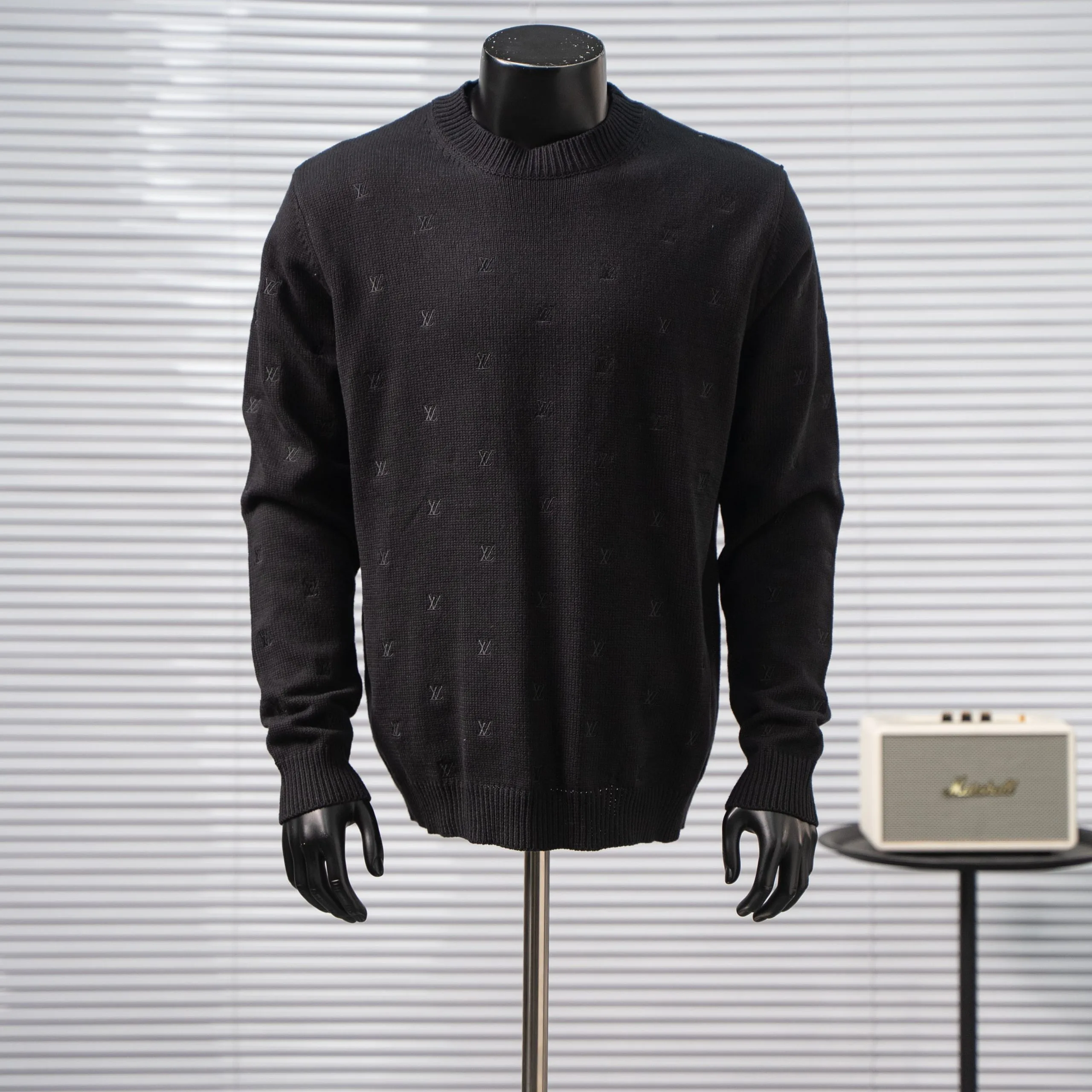
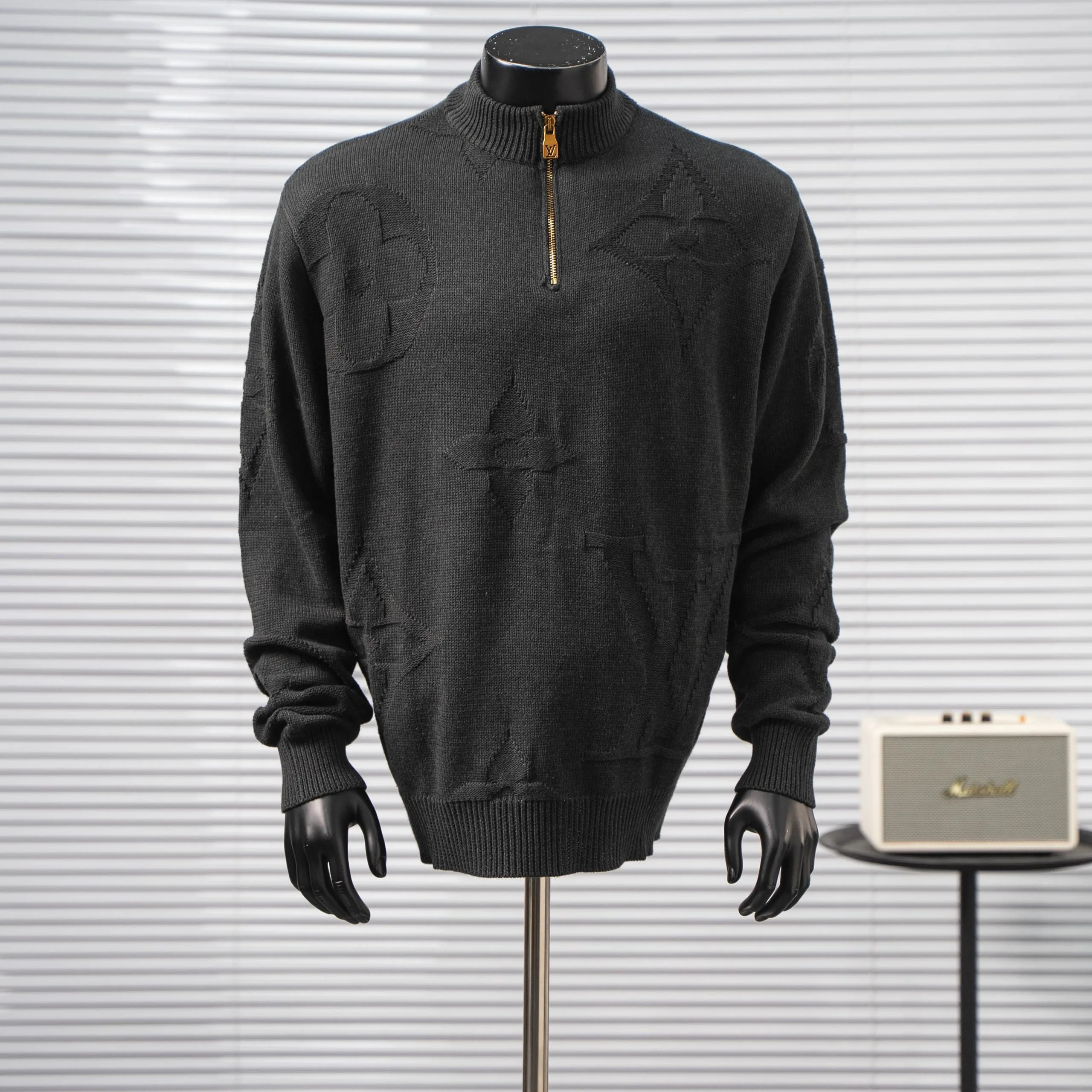 1v 24FW Dark Patterned Jacquard Half-Zip SweaterIt is made of 100% pure wool yarn. The entire piece features Monogram Macro pattern, presenting a delicate texture effect through stitching. It is a 6S thick needle cotton wool sweater woven by an imported jacquard machine. Wool has natural curl and elasticity, providing excellent warmth retention. The thick needle weaving technique creates distinct textures and lines on the surface of the sweater, enhancing its three-dimensionality and layering effect. The double-sided jacquard textured knitting technique. The textured knitting sweater is a type with special textures.
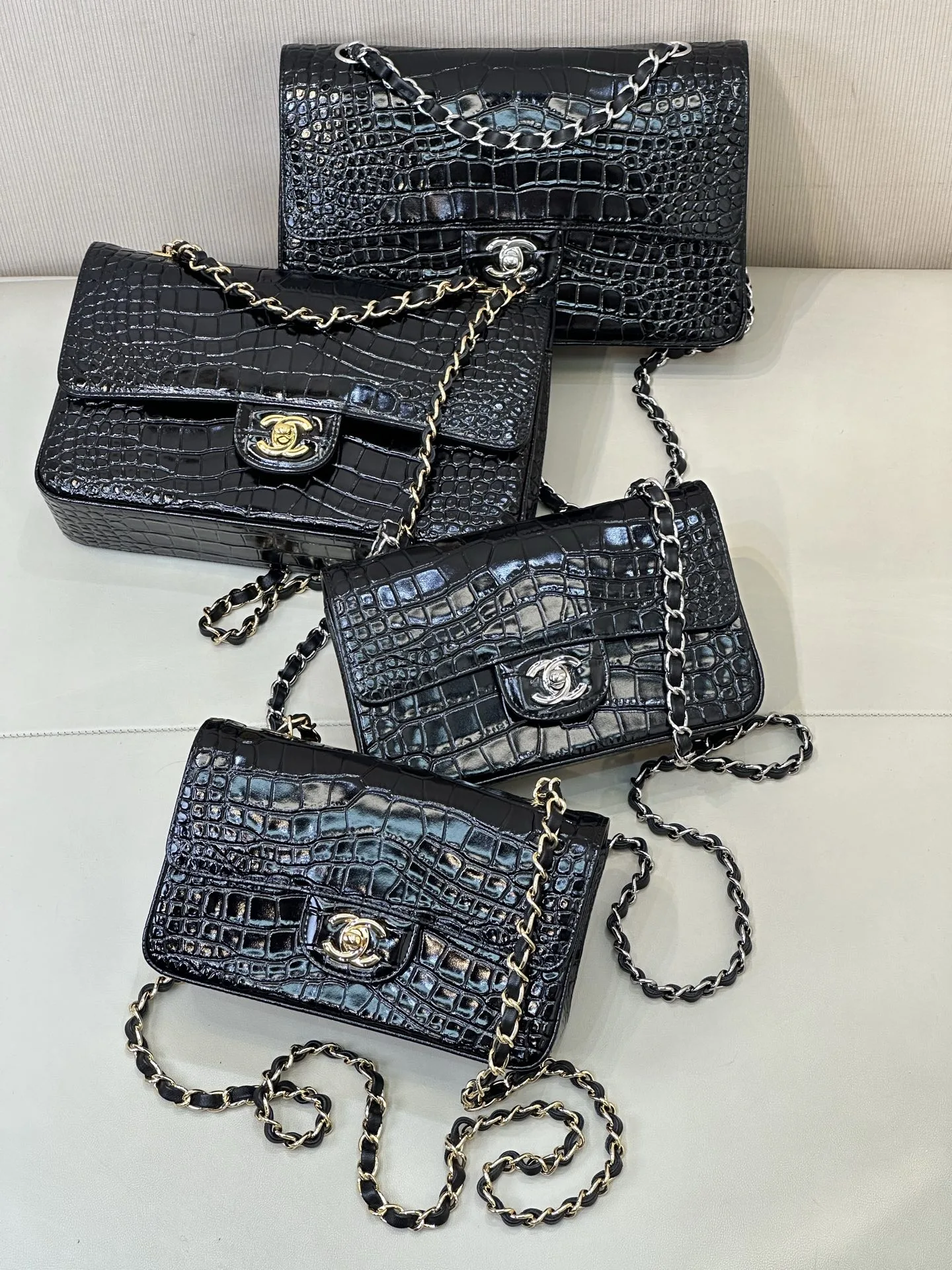 Forbidden God Crocodile Embossed CF! The luxurious feel is absolutely outstanding!The classic CF flip cover design, the glossy crocodile embossing is highly recognizable, extremely elegant and sophisticated, exuding a retro princess vibe.The leather is a glossy polished cowhide, with clear and three-dimensional crocodile texture, with varying depths of the patterns, the luster under the light is amazing, it's not just plain and flat, but has a very textured and transparent luster.
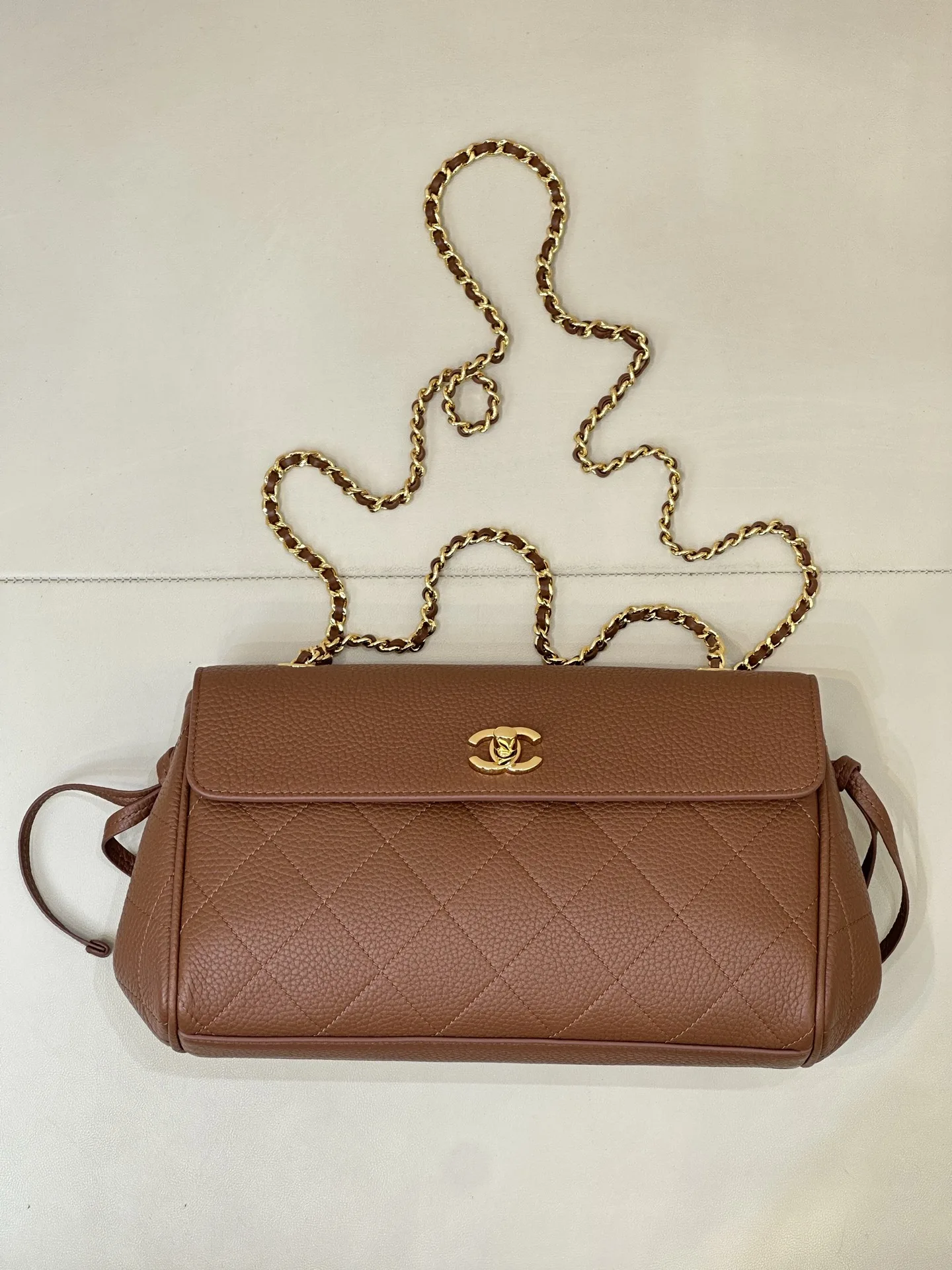 Winter and autumn atmosphere ceiling, gentle and retro, perfect for taking stunning photos.
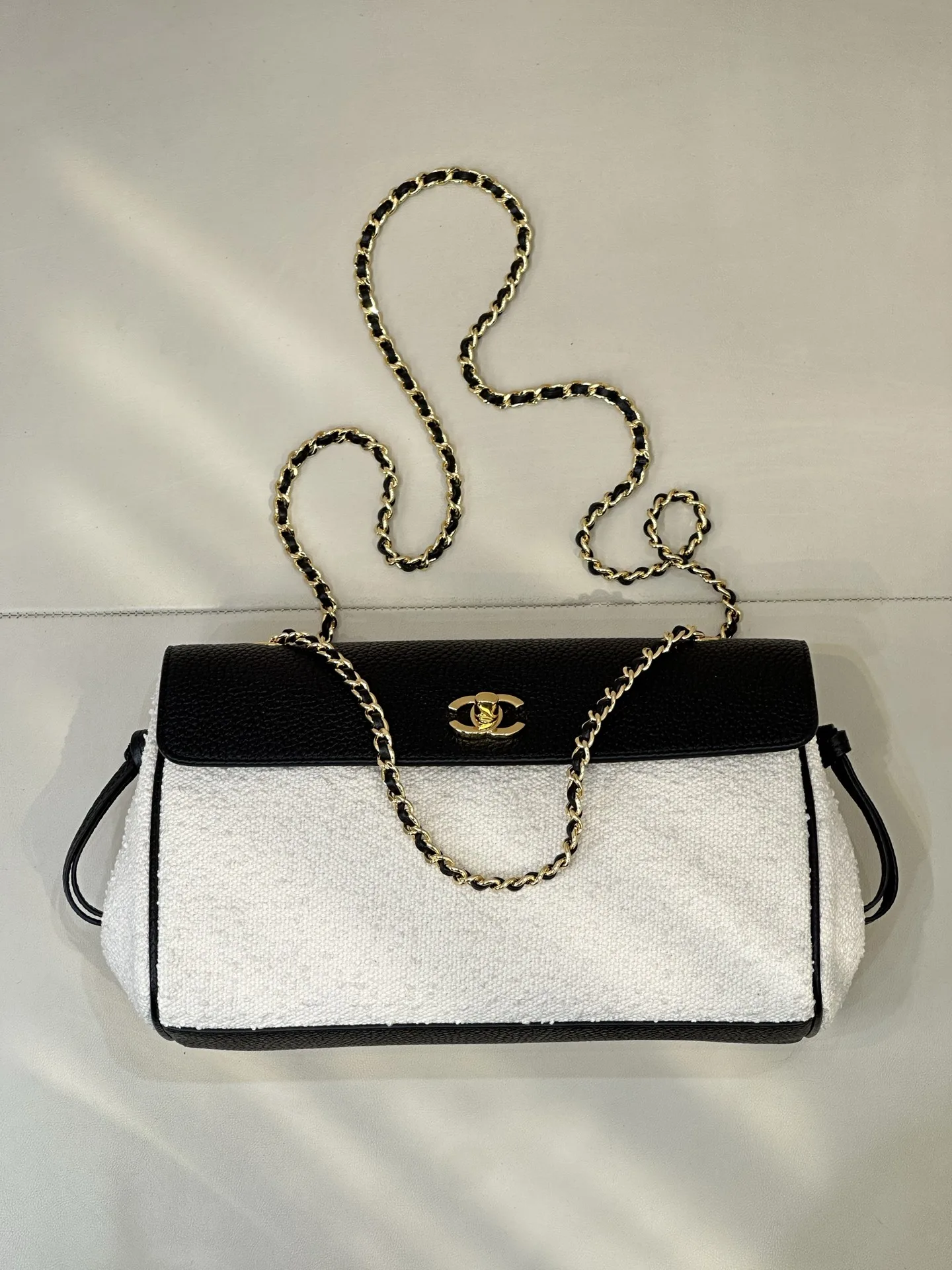 Chanel 26B Autumn/Winter Drawstring Rectangular Underarm Bag - The retro vibe is absolutely overwhelmingThis is a must-have, gentle and popular item for the autumn/winter season. With its relaxed and elongated bag shape, it has a retro filter effect. It is suitable for commuting, shopping, and afternoon tea. It has both practicality and aesthetic appeal.