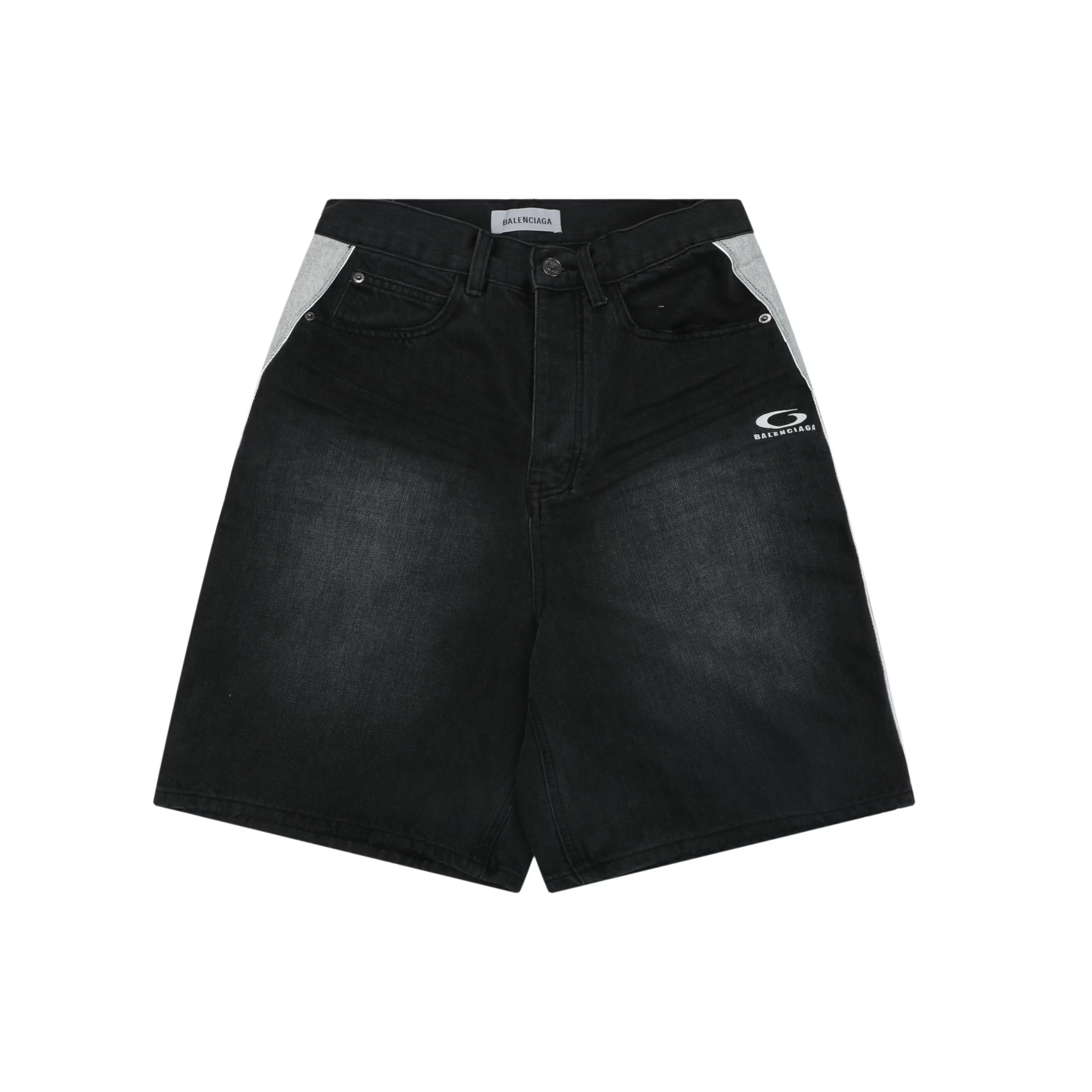
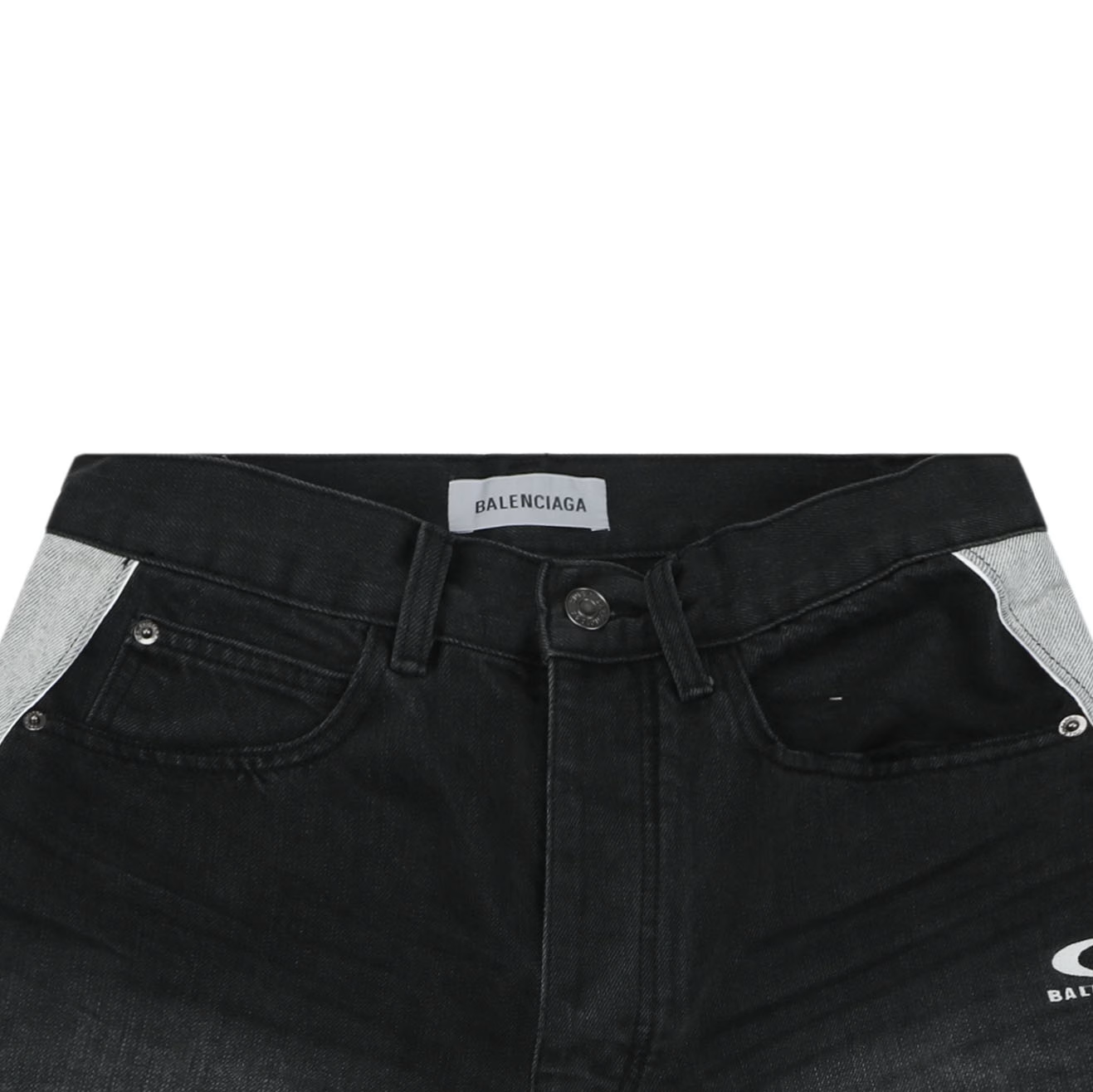
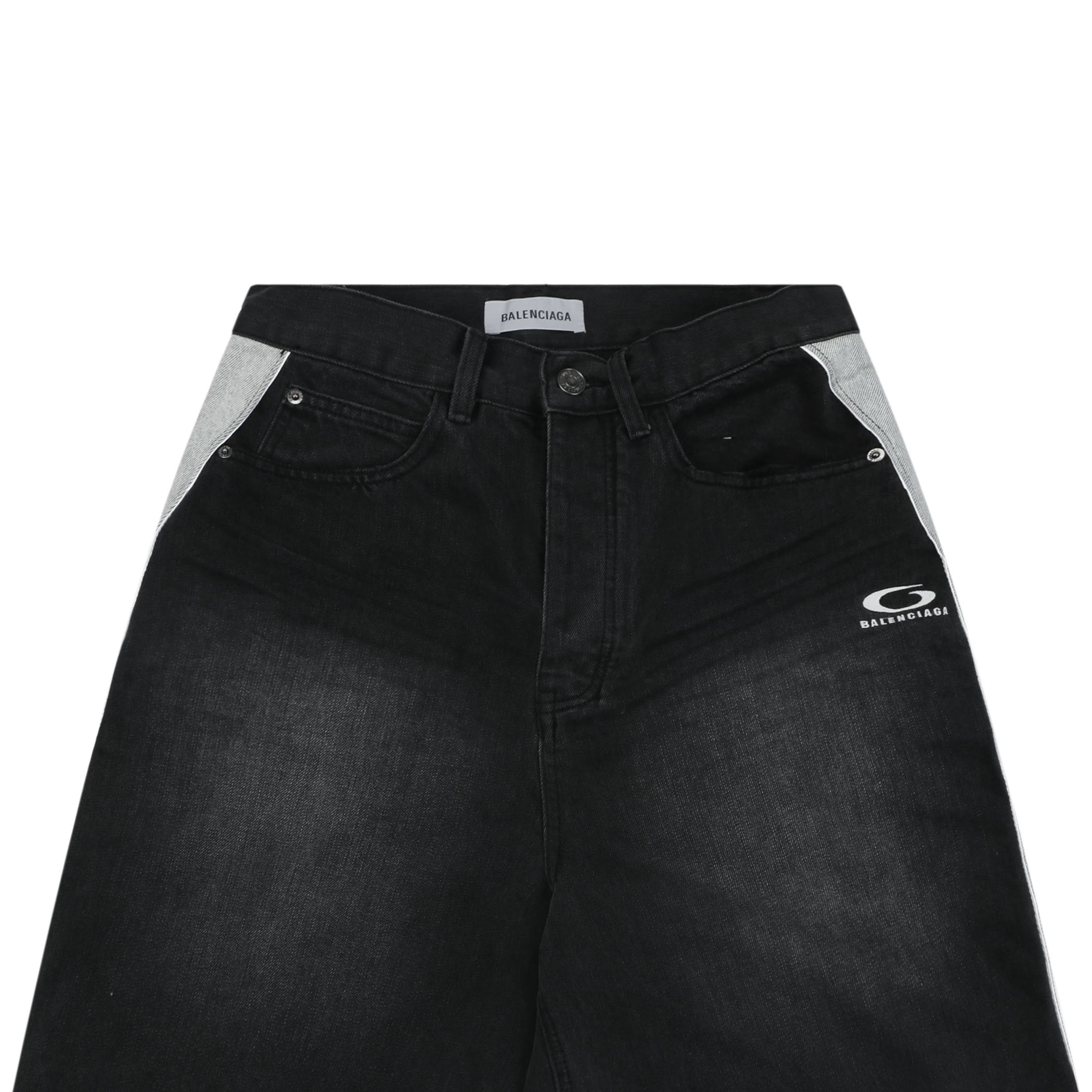
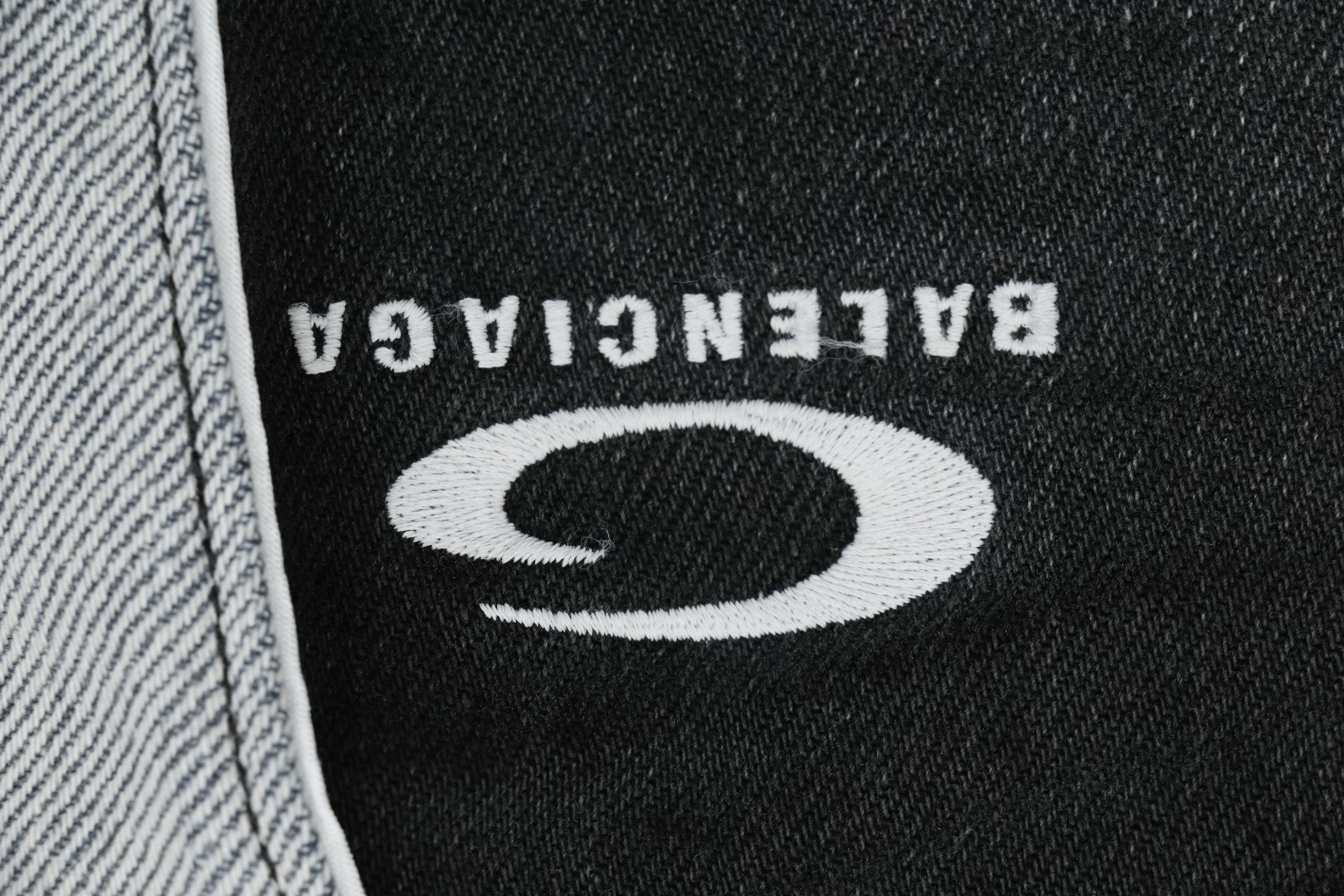
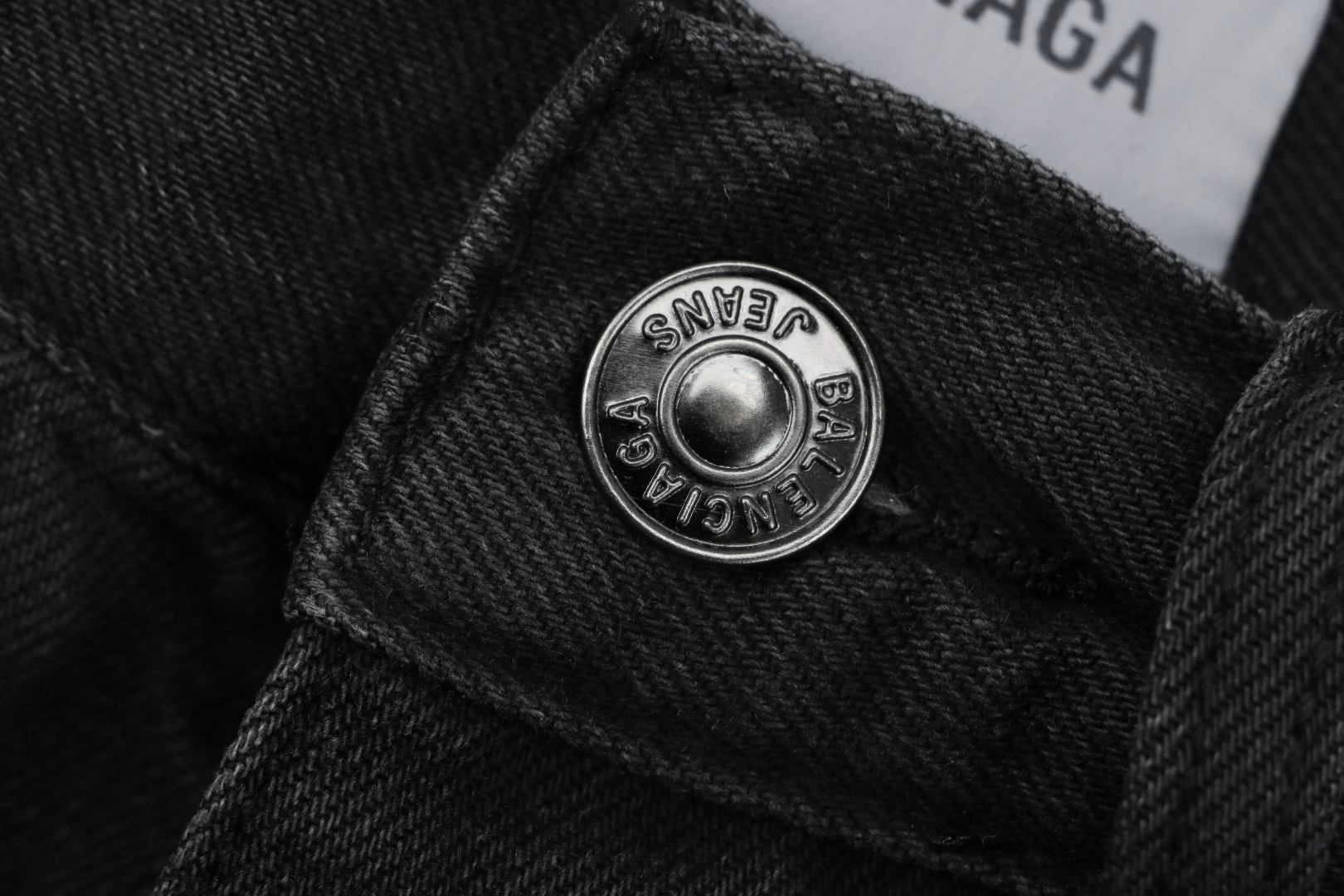
Balenciaga Slanted Gray Striped Edged Denim ShortsBased on a high-density, fine-combed twill denim base material, a precise rolling edge process for the entire piece, and a standardized five-pocket three-dimensional structure as the core, the entire process is meticulous and complex, with structural craftsmanship difficulty far exceeding that of regular mass-produced denim items. This is a highly representative high-technology casual denim item of the SS26 series. The fabric is made of custom high-count, high-density double-twist denim. Compared to ordinary plain weave denim, the twill texture naturally has a three-dimensional pattern and directional tensile properties. During the weaving process, the twill compensation coefficient is strictly calibrated to precisely counteract the fabric's stretching deformation, fundamentally avoiding problems such as warping, deformation, and misalignment after washing and dyeing of the finished garment. The pre-treatment of the base fabric includes multiple steps such as high-temperature steam shrinking, enzyme softening, layer-by-layer color fixation, and matte finishing. This effectively stabilizes the fabric texture and ensures that the finished garment does not deform over time and has uniform color fastness. The pre-treatment of the entire fabric has an extremely low tolerance rate, significantly raising the base production cost and process threshold. The core highlight of the entire piece is the precise edge rolling process for the entire garment, which is a high-level garment structural detail process. All edge edges, pocket openings, waistline divisions, and waistband interfaces use seamless rolling technology, different from ordinary folded edge stitching. The rolling width is precisely controlled to the millimeter level, the stitching is straight and uniform, the corners have a natural arc transition, and there are no problems such as skipping stitches, arching, or uneven widths. The multi-layered fabric overlapping rolling is prone to thickness differences and bulging flaws. It requires manual segmental machine adjustment and segmental pressure sewing, and the entire process relies on precise manual adjustment, which cannot be achieved through machine batch standard production. The detail refinement and process complexity are at their peak. The garment retains the classic five-pocket structure of denim, covering double front slanted pockets, double rear patch pockets, and waistband change pocket. All pocket positions, spacings, and inclination angles are precisely aligned with the original three-dimensional pattern data, achieving absolute symmetry on both sides and zero height error. The pocket bottom is reinforced with padding and a reinforcing edge stitch, and the stress points are double-layered and stitched, balancing the three-dimensional stiffness and daily wear stability. The multi-pocket structure involves multiple alignment, pressing, and reinforcement processes, with fragmented fabric and complex alignment. This significantly increases the sewing time and quality control difficulty of the entire garment. The overall process adopts three-dimensional ergonomic cutting, optimizing the waist circumference and drape lines, integrating the twill fabric texture process, the precise edge rolling details of the entire garment, and the standard five-pocket structure process. Multiple high-level complex processes are stacked, perfectly presenting the avant-garde garment texture and high-end craftsmanship barrier of the 26th quarter new product.

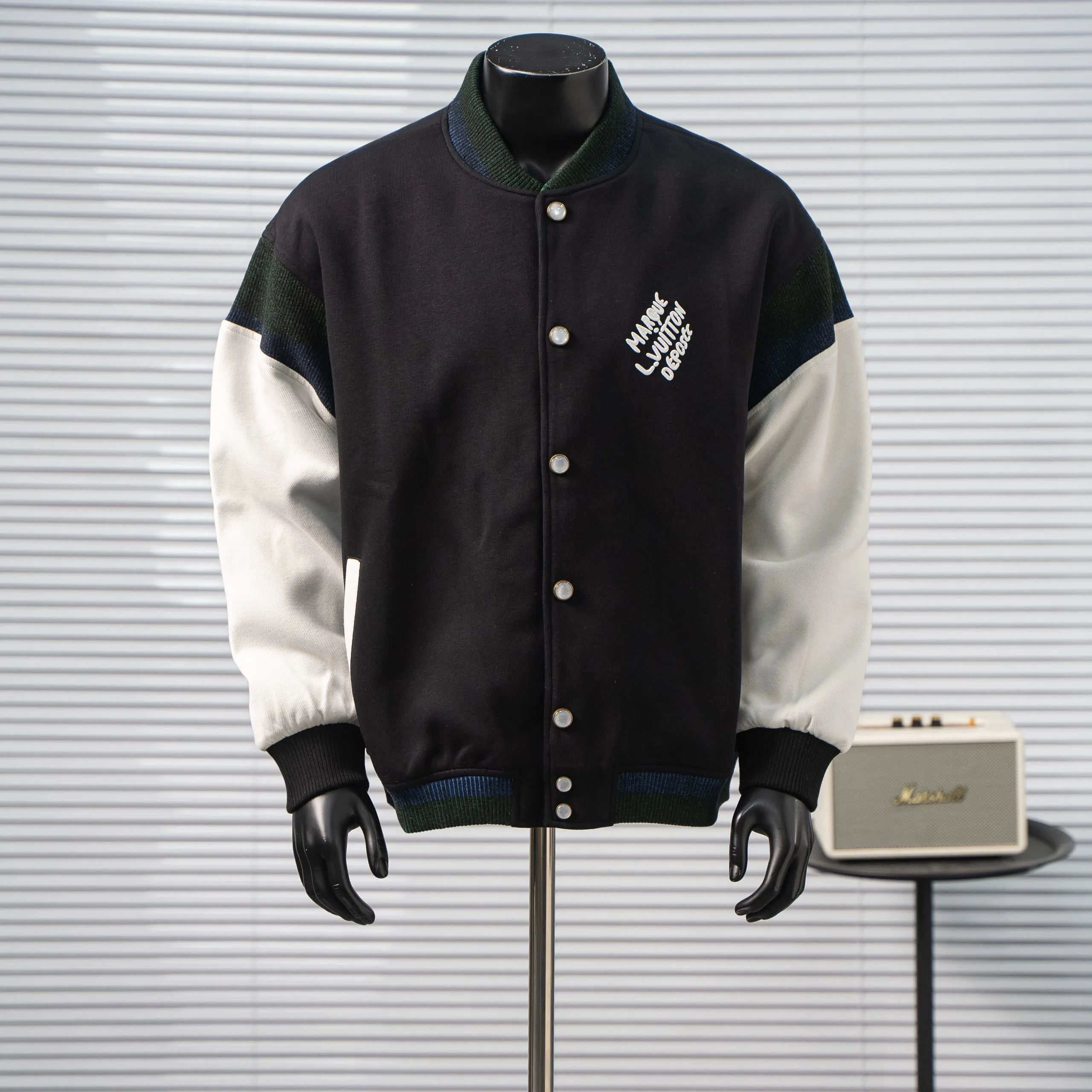 LOUIS VUITTON LV Black and White Striped Leather Baseball Jacket CoatThis is a newly developed product purchased from the original source. The fabric used is thickened 550g Sel cotton from the trendy brand, imported fine combed cotton double-strand thread ground fabric. It features a colorful gradient pattern and is a masterpiece. The imported machine performs precise embroidery, with multiple fabric composites and original custom accessories. Customized pearl buttons are provided, and it has a loose fit. It is available for both men and women.
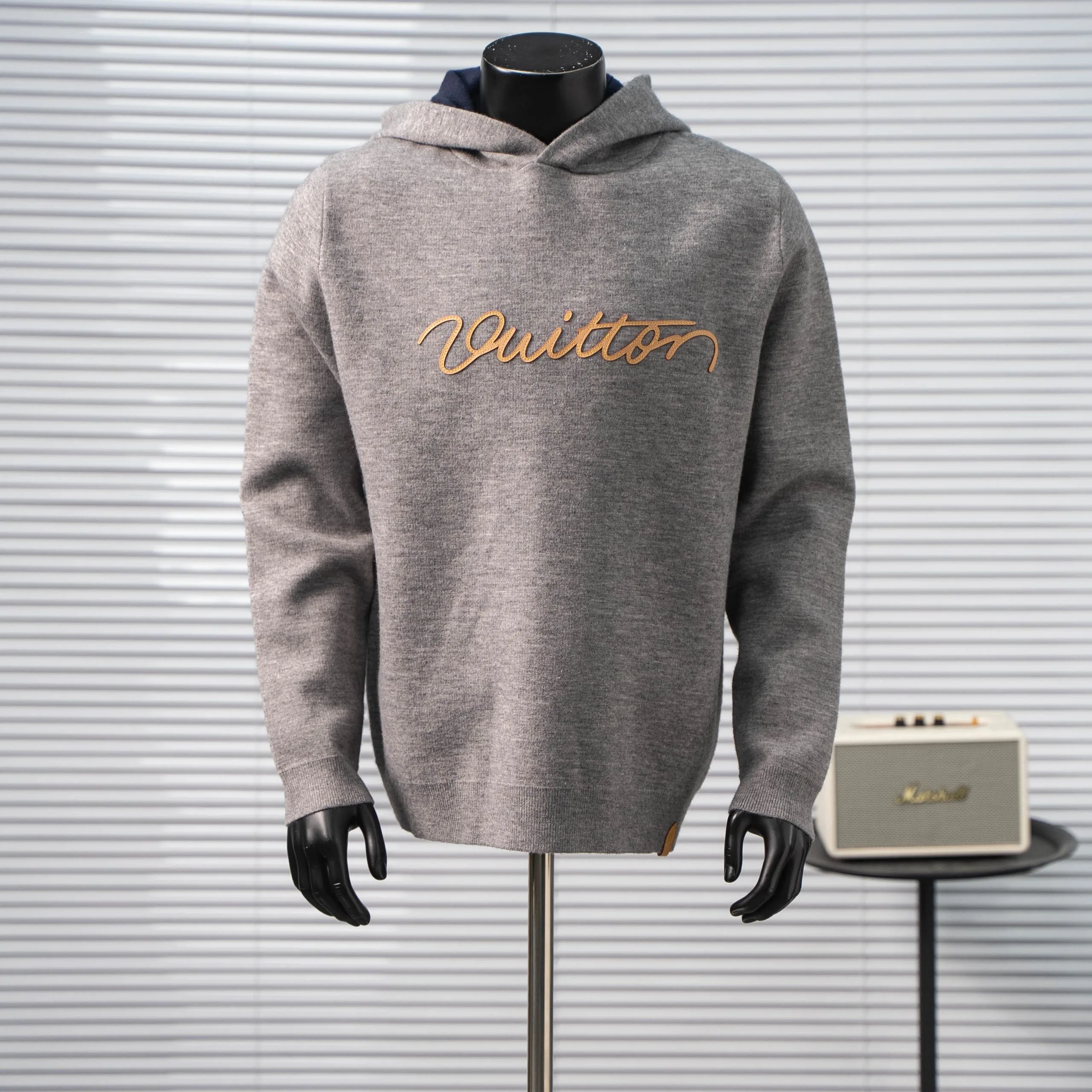 LOUIS VUITTON LV Trunk Double-sided Cashmere Blend Knitted Hooded SweatshirtAuthentic product purchased and developed. Made of wool and cashmere blended yarn. Using German imported (SOTO) 14 knitting, template embroidery, wool washing, custom leather label and trademark, well-fitting design.
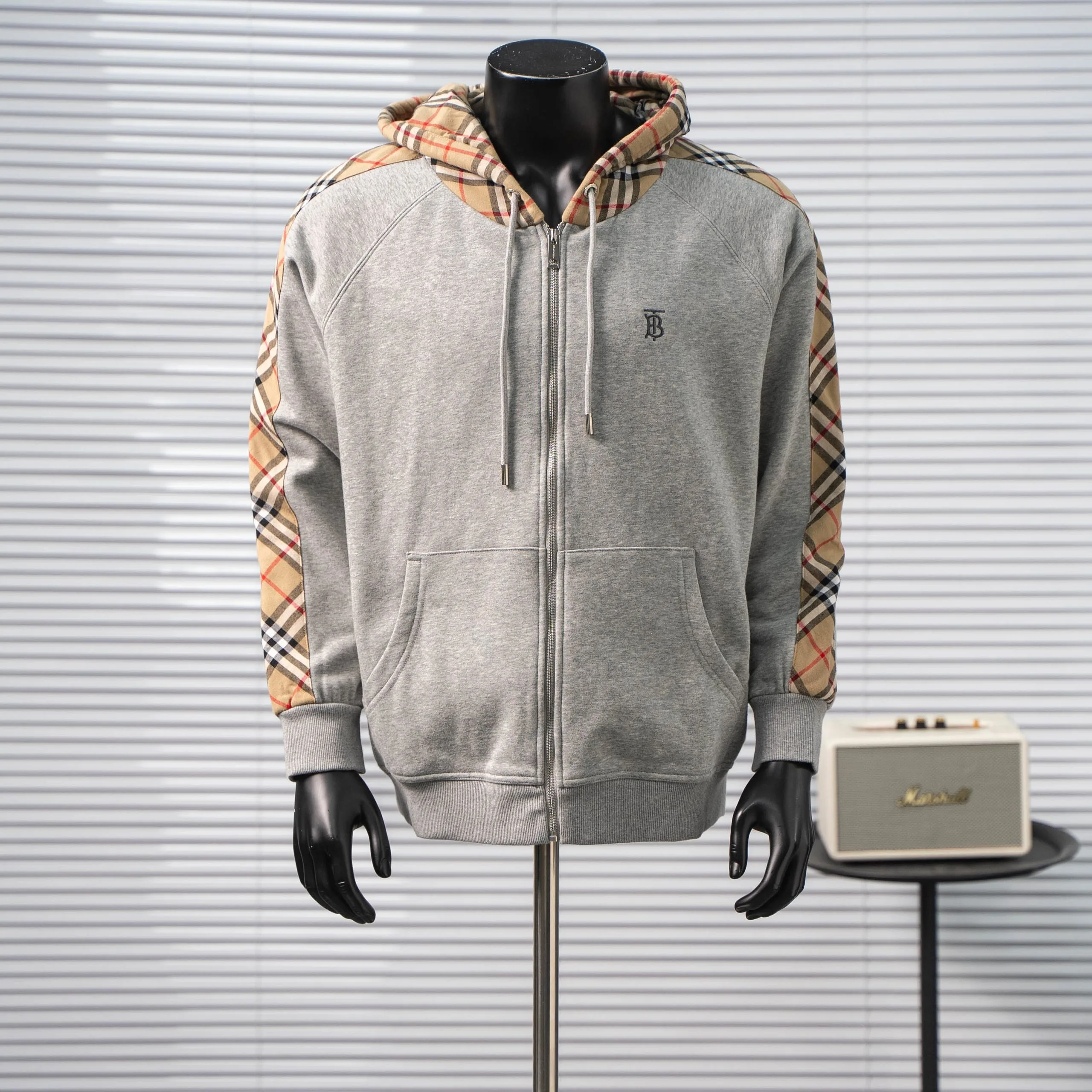 BURBERRY (Barbour) Plaid Patched Zippered Hooded CoatFabric: Made of high-weight pure cotton fabric, it has a thick and sturdy feel, is not prone to deformation, and offers both breathability and warmth. It is suitable for single wear in spring and autumn or as an inner layer in winter.
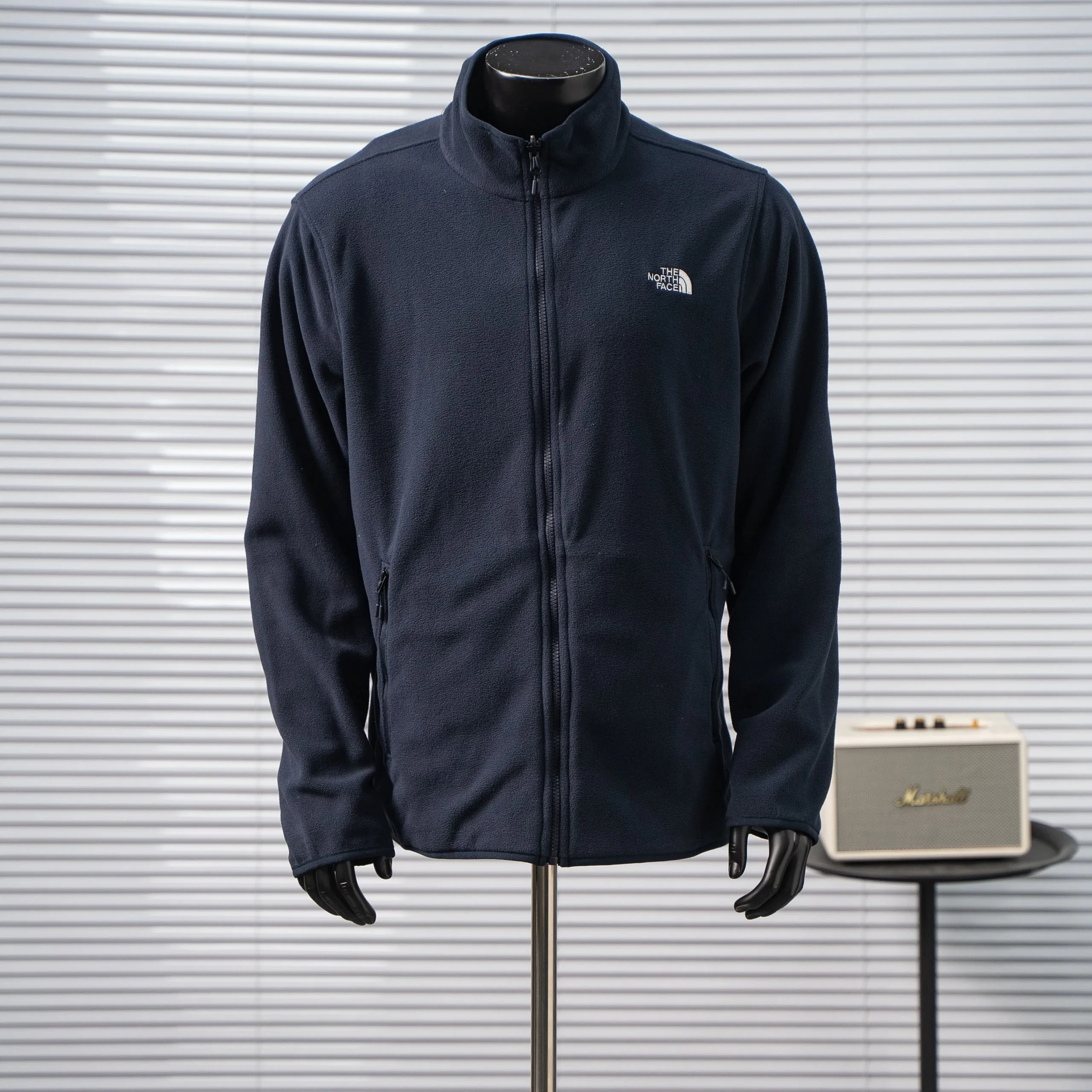 THE NORTH FACE - Down-filled V-neck Zip-Up Coat
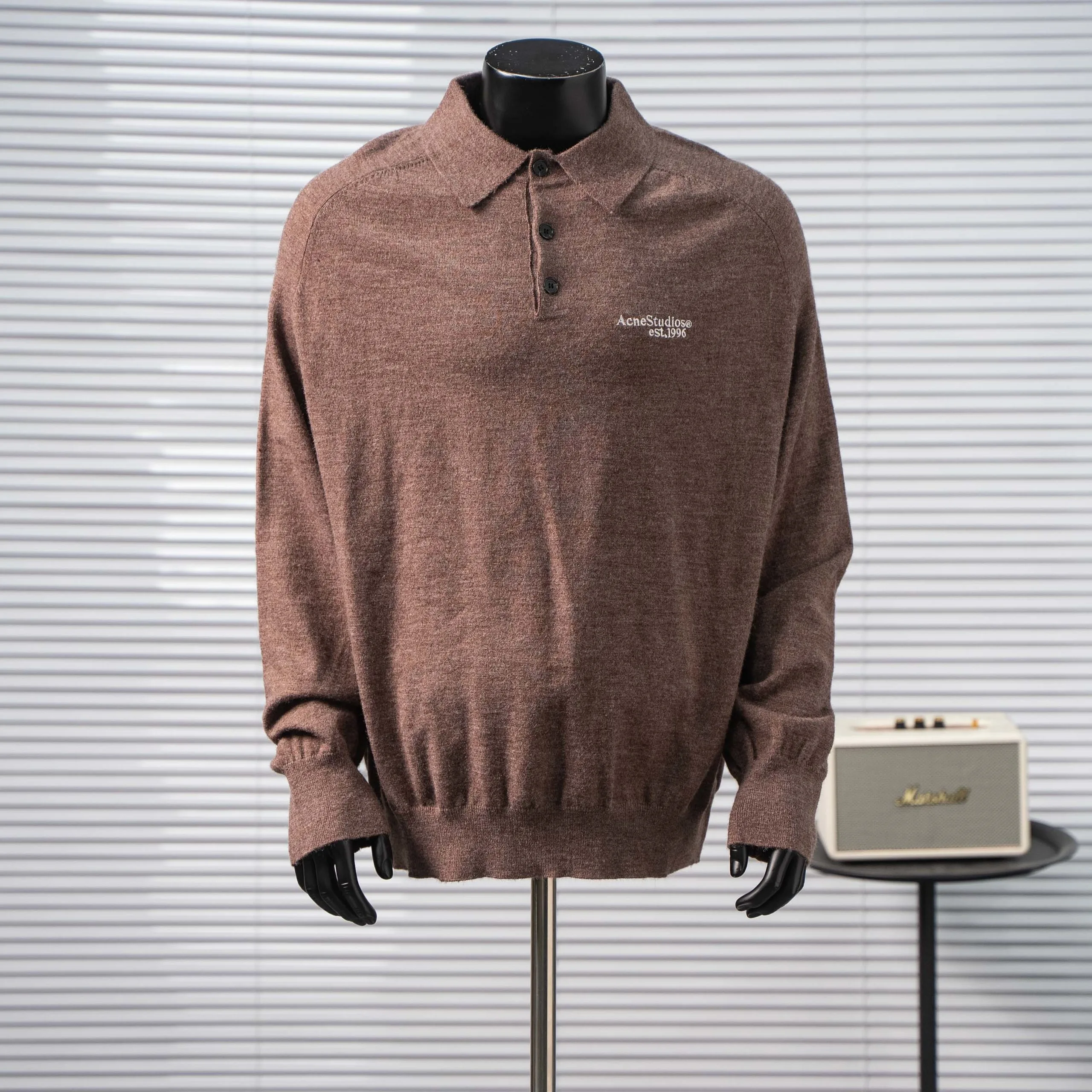 ACNE STUDIOS Small Logo Embroidered Knit Sweater Polo ShirtThis style is made from 50% wool and 50% alpaca wool. It is knitted using an imported Italian knitting machine to ensure that the fabric does not shed fibers and that the drape of the garment does not appear saggy. The alpaca wool has a hollow insulation structure, which is superior to ordinary wool in terms of warmth retention, while also having excellent anti-static and anti-shed properties. The woolen fabric gives the fabric excellent elasticity and drape, combining softness and comfort with a crisp and non-deforming texture, eliminating the bulkiness of traditional sweaters. The cuffs and hem are finished with high-density ribbing, which sets the shape and has a textured feel, preventing the fabric from shifting. In terms of the silhouette, this style follows an oversized and laid-back shape, with a length reaching the hips, providing high flexibility for body shape, and can accentuate the waist, abdomen, and shoulder lines. It retains the sharp lapel of a Polo shirt, breaking the monotony of solid-colored sweaters, and combines a sense of formality with a casual vibe. It combines Nordic minimalism and urban laid-back style. It is different from ordinary knitted garments in their casual nature, and also has a clean and restrained "Stockholm aesthetic", making it a core item for upgrading your style during the transitional season. Unisex style
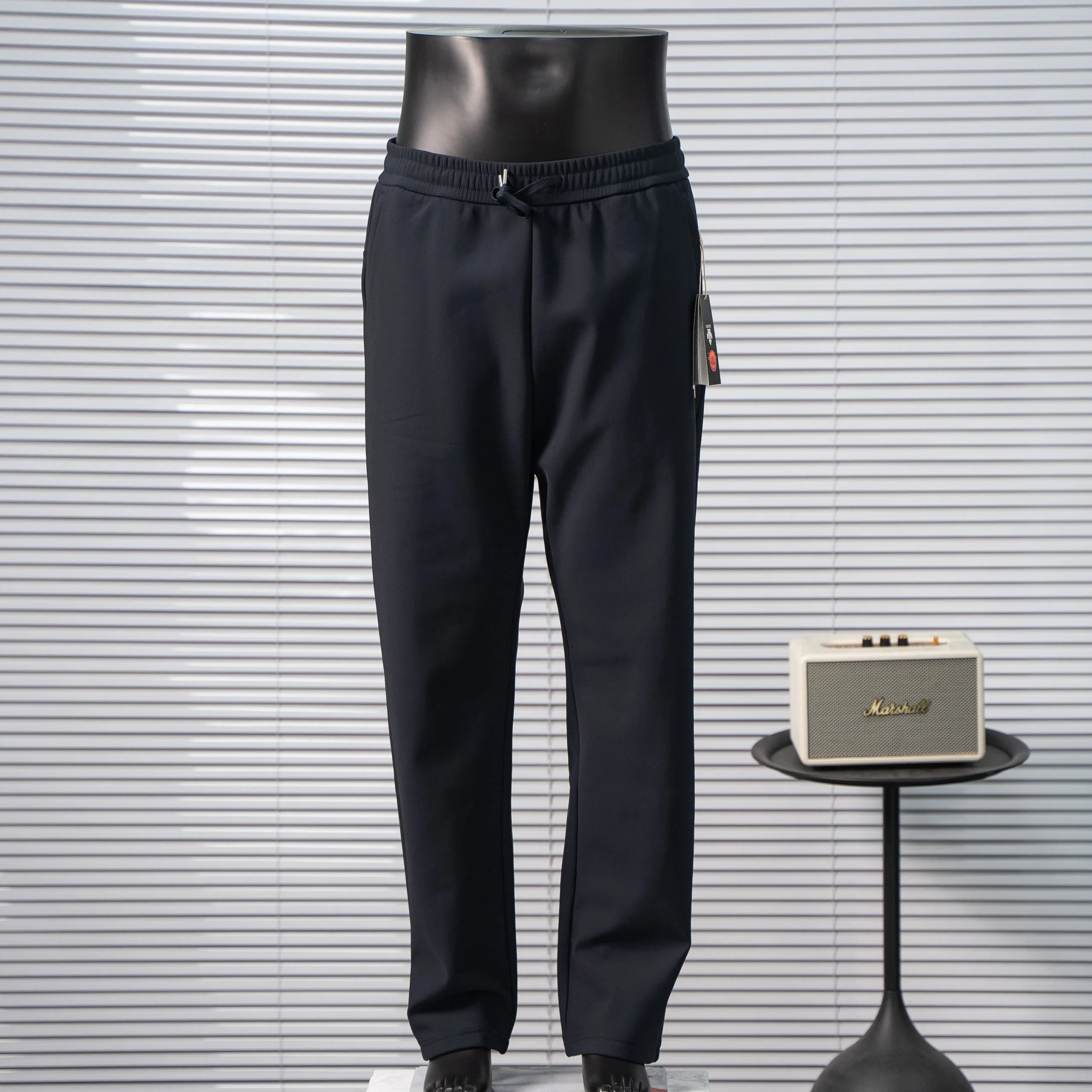 Moncler Hoodie with Feather Blending JacketGentle and noble lazy girl outfit ✨ Who knows! This lightweight blended jacket from Moncler is truly breathtakingly beautiful.