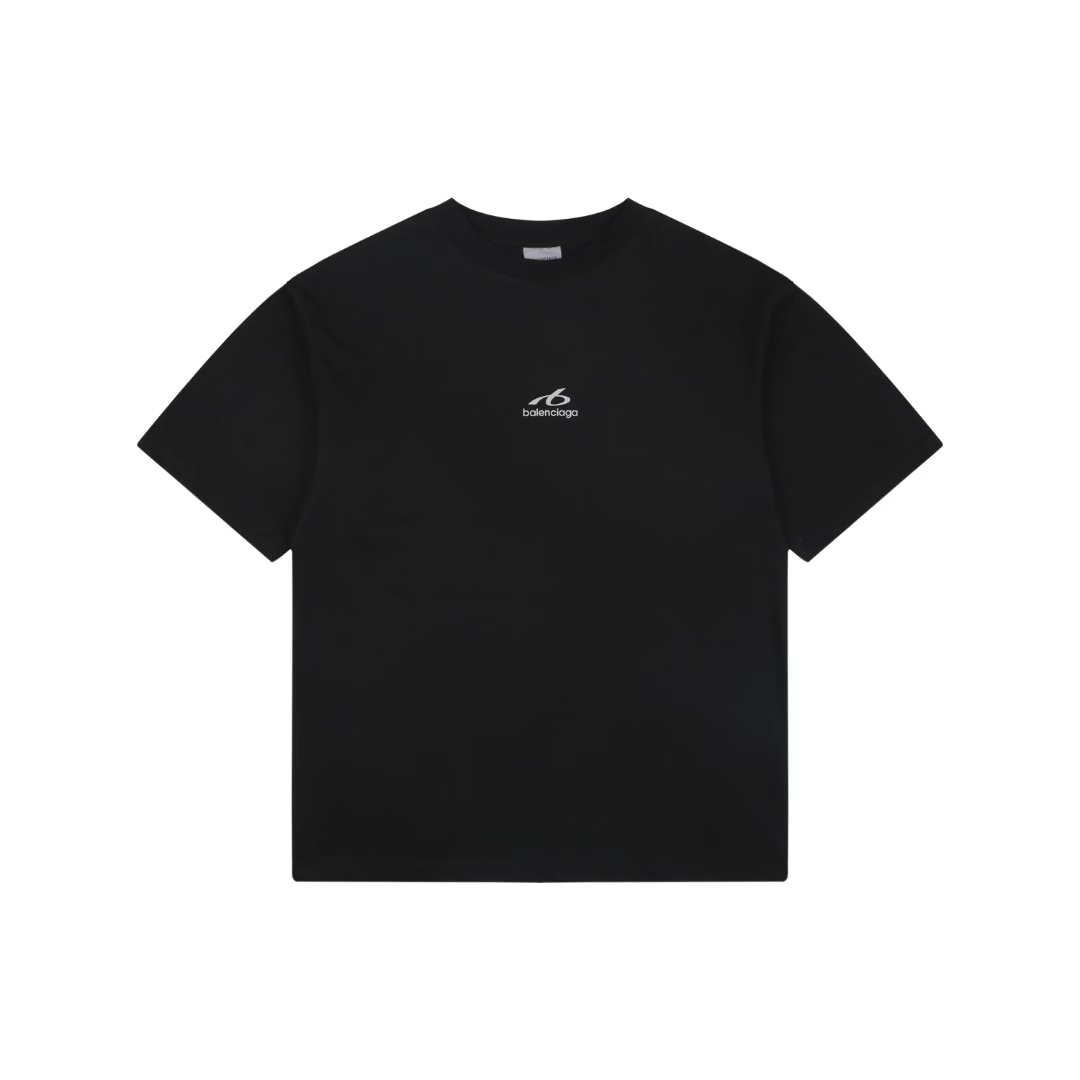
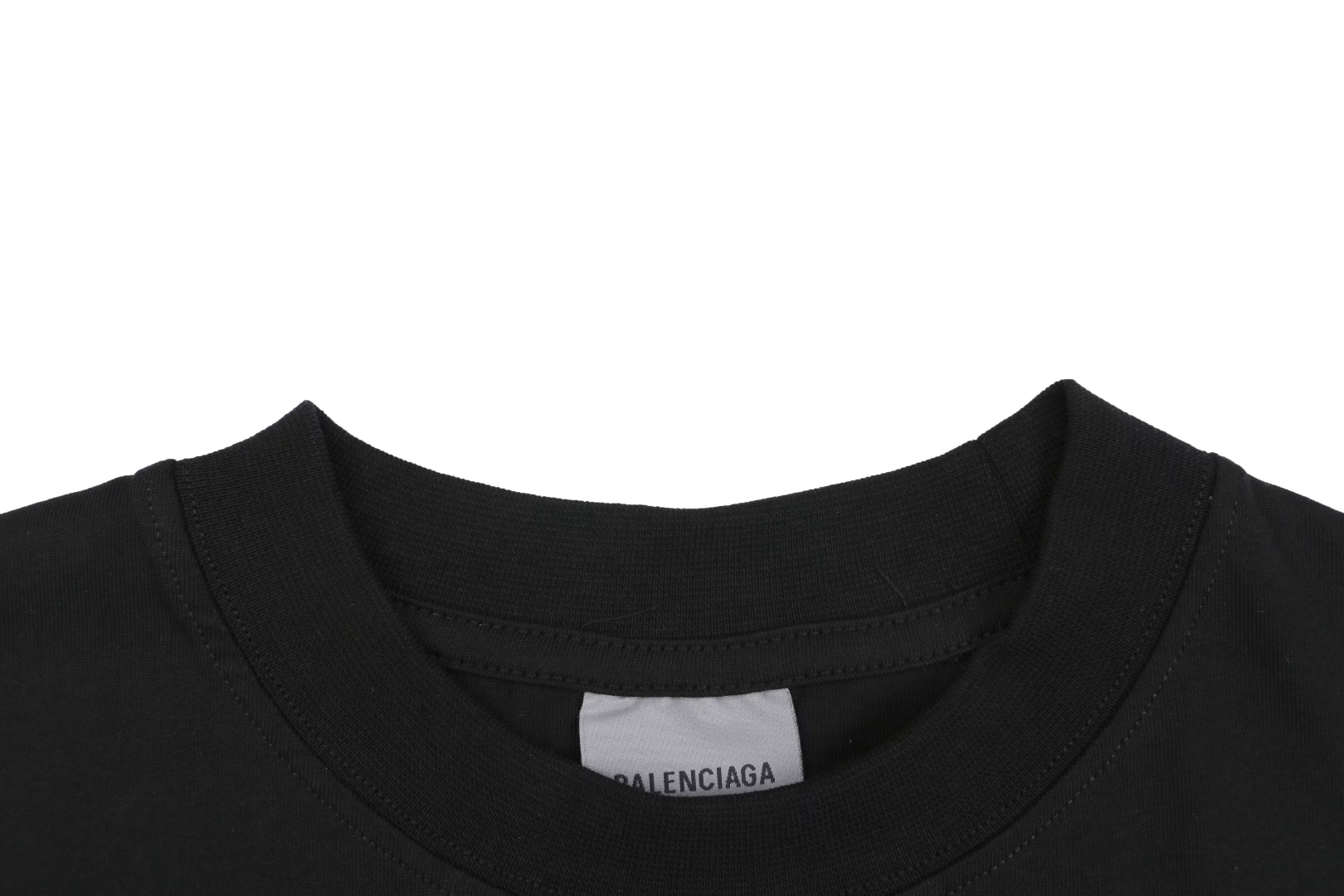
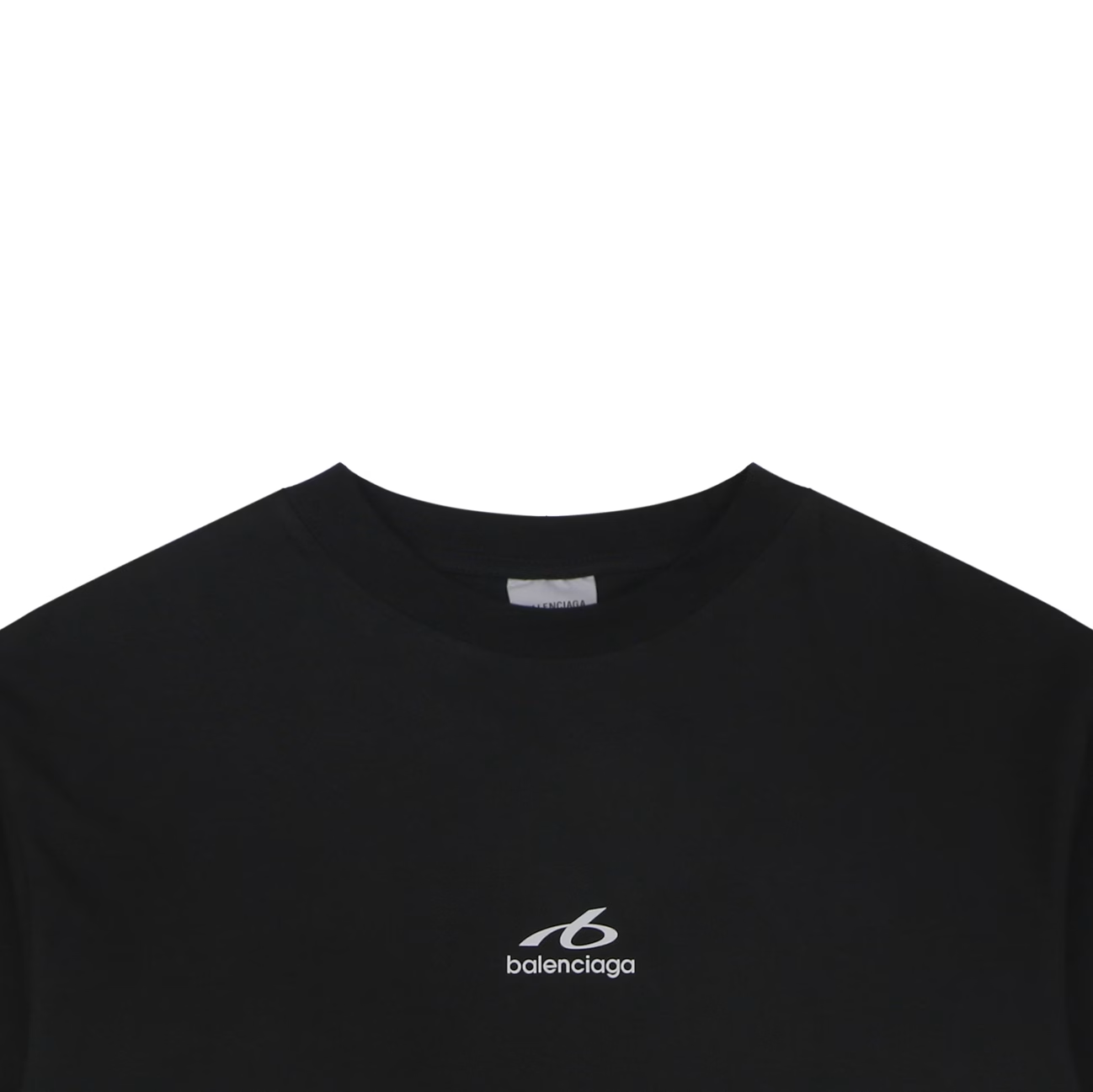
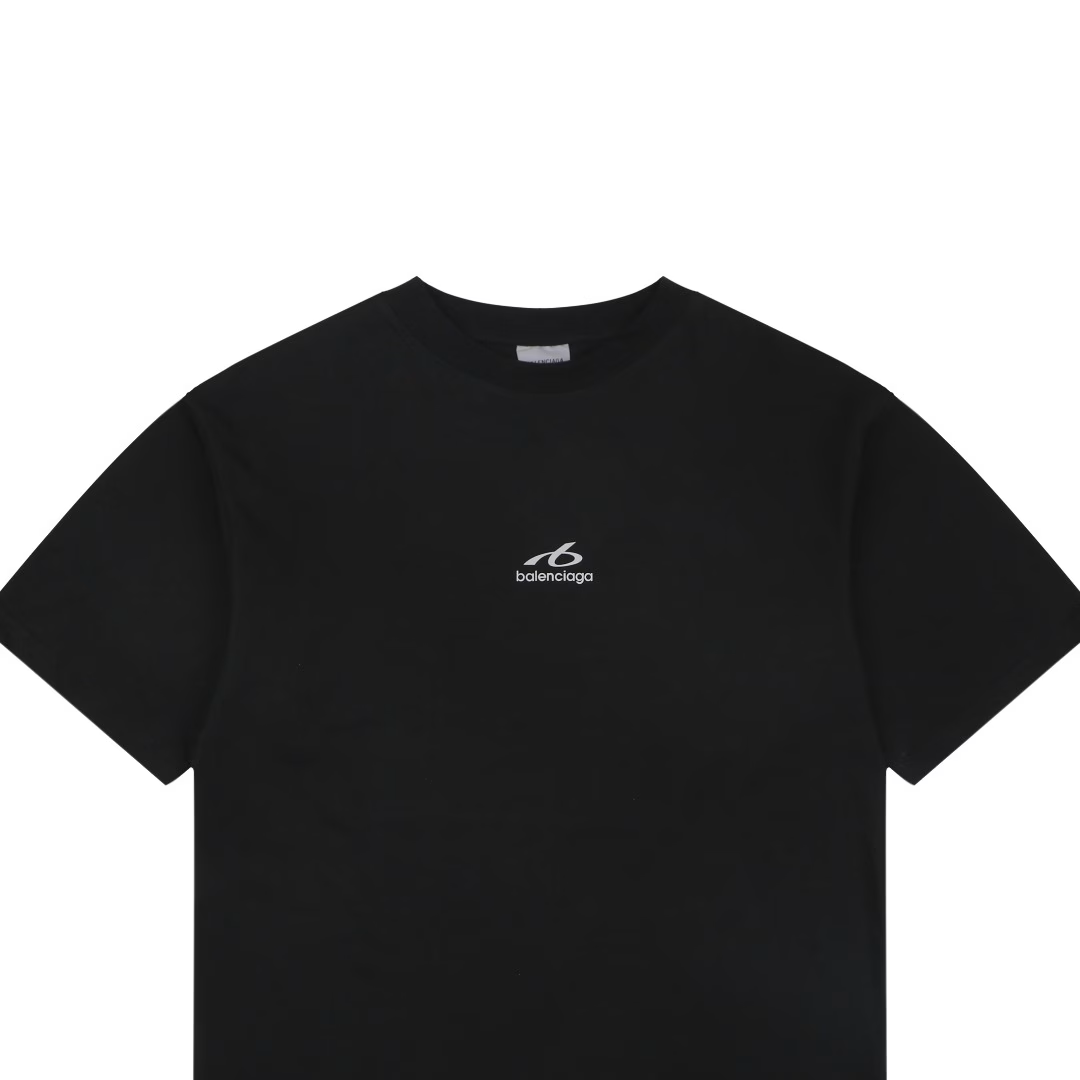
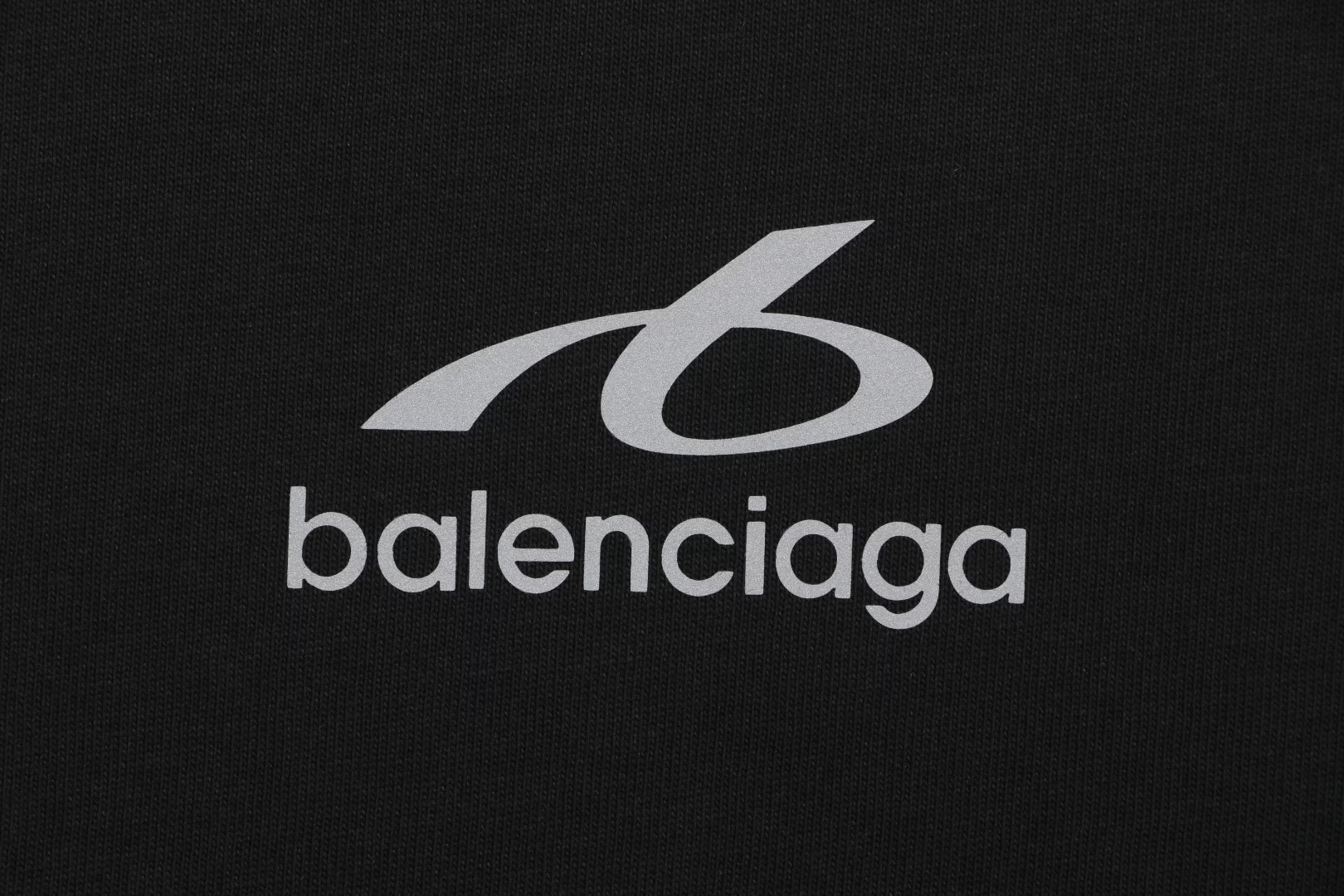
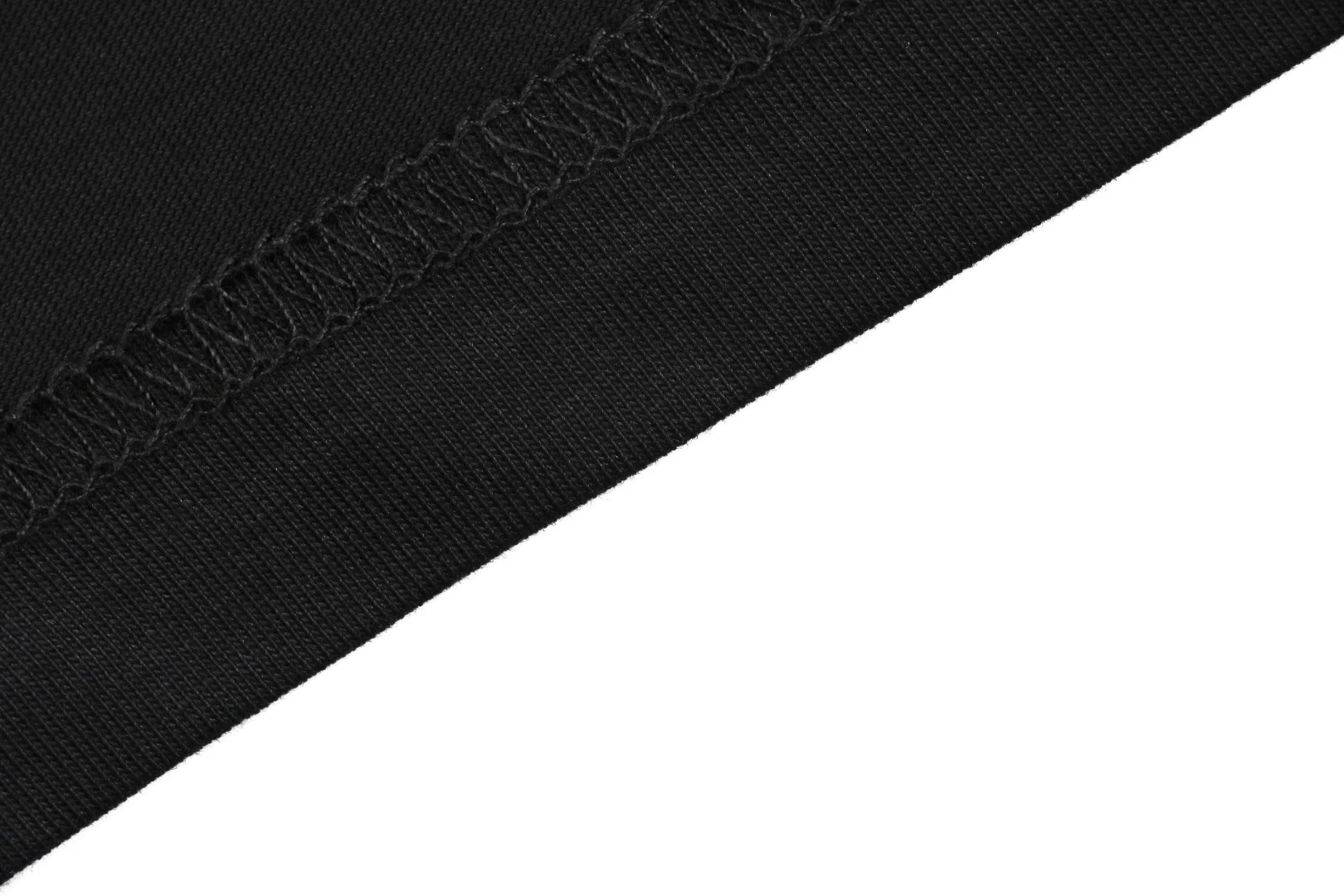
Balenciaga Anti-Halo Small Label Short SleeveFrom the pre-treatment of the base fabric to the hot-pressing of the logo, this entire piece undergoes multiple intricate chemical processes throughout its entire production chain. The complexity of the craftsmanship far exceeds that of regular printed short sleeves. The fabric used is high-count double-spun combed cotton base fabric. Before leaving the factory, it undergoes three pre-processing steps: shaping, stone washing and shrinkage, and enzyme softening. The tension of the warp and weft yarns in the base fabric is precisely locked to avoid fabric shrinkage and deformation during the subsequent hot-pressing process, providing a solid foundation for the subsequent logo application. The fabric pre-treatment alone requires multiple rounds of temperature and humidity control and static placement. The anti-halo small label on the chest is made using a high-temperature die-cutting and hot-pressing composite process, which differs from conventional printing and embroidery processes. The reflective base material is composed of a double-layer composite of microcrystalline glass bead reflective film and hot-melt adhesive. First, it undergoes precise cutting of the circular contour by a CNC die-cutting machine, with the cutting tolerance controlled within 0.1mm, to prevent edge fraying and overflow of adhesive. The hot-pressing process relies on segmented temperature control operations of a flat-plate constant-temperature hot press machine, differentiating the melting points of the base material and the cotton material's heat resistance threshold, and gradually increasing the temperature and pressure in three stages: the first stage is low-temperature preheating to stretch the fabric fibers, the middle stage is constant-temperature high-pressure to promote the penetration of adhesive molecules into the gaps of the cotton fabric surface, and the final stage is slow-temperature setting to lock the bonding structure. Each hot-pressing session requires precise control of the temperature, pressure, and holding time of these three parameters. Any deviation in any of these values will cause the reflective layer to fall off, the fabric to scorch, or the ring label to wrinkle. After the hot-pressing process, a cold-pressing and static setting finishing process is added, with the fabric left to stand at room temperature for more than twelve hours. This allows the hot-melt adhesive to complete physical cross-linking and solidification, ensuring the stability of the bonding between the reflective label and the fabric. The final garment also undergoes garment ironing and garment water resistance testing, and even under repeated washing conditions, the reflective halo must remain without fraying edges or the glass beads falling off. This entire piece combines fabric modification techniques and special reflective hot-pressing processes across three process dimensions: textile post-processing, polymer hot-melt materials, and precise hot-pressing processing. The small-sized label conceals a multi-layer composite process. Beneath its minimalist appearance lies the implementation of a highly refined industrial process through the collaboration of multiple processes. The niche and low-key anti-halo label design precisely achieves product stability through the highly complex special hot-pressing process, which is also the core technical barrier that distinguishes this product from ordinary heat-stamped T-shirts in the market.

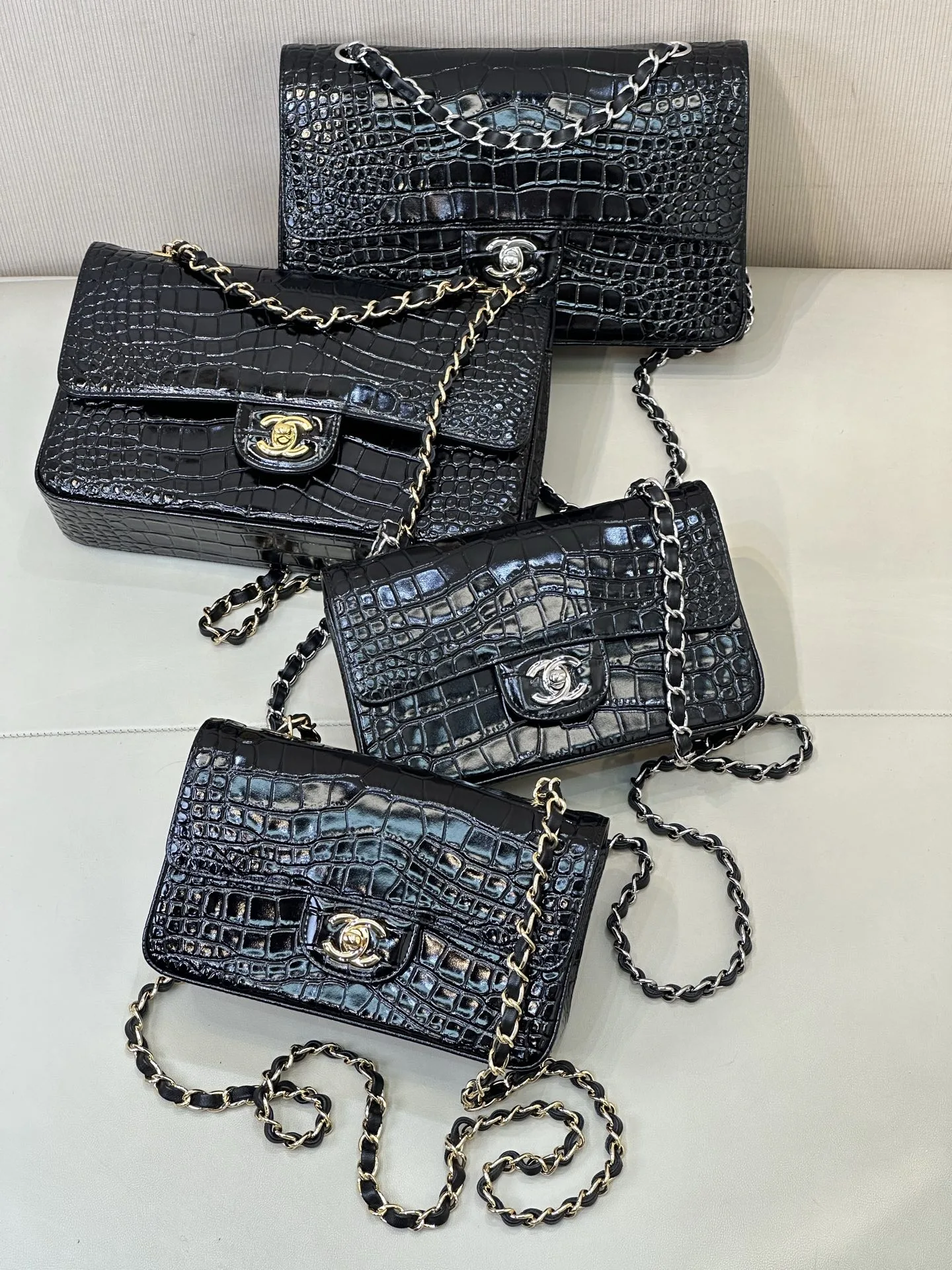 Forbidden God Crocodile Embossed CF! The luxurious feel is absolutely outstanding!The classic CF flip cover design, the glossy crocodile embossing is highly recognizable, extremely elegant and sophisticated, exuding a retro princess vibe.The leather is a glossy polished cowhide, with clear and three-dimensional crocodile texture, with varying depths of the patterns, the luster under the light is amazing, it's not just plain and flat, but has a very textured and transparent luster.
 Winter and autumn atmosphere ceiling, gentle and retro, perfect for taking stunning photos.
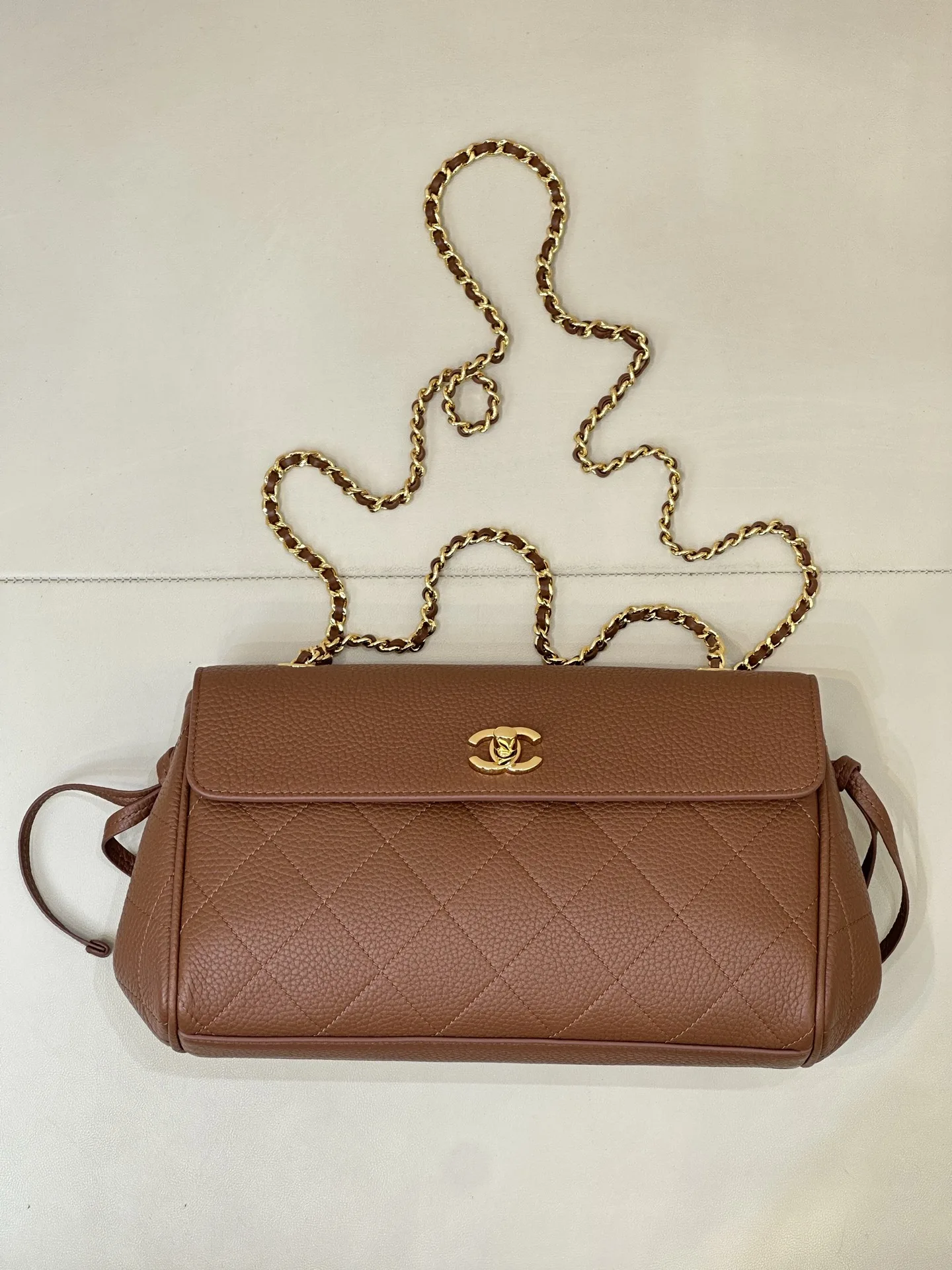
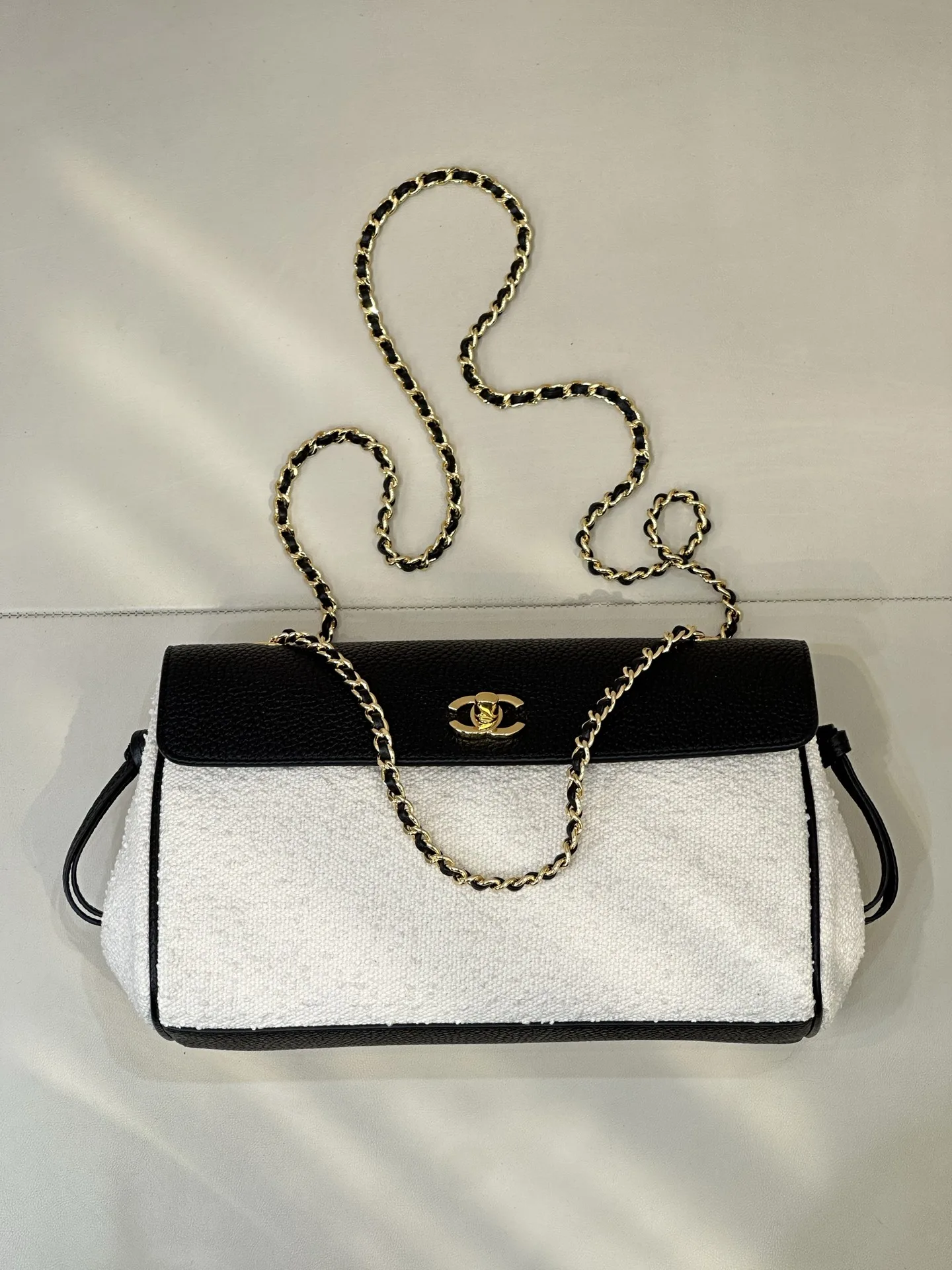 Chanel 26B Autumn/Winter Drawstring Rectangular Underarm Bag - The retro vibe is absolutely overwhelmingThis is a must-have, gentle and popular item for the autumn/winter season. With its relaxed and elongated bag shape, it has a retro filter effect. It is suitable for commuting, shopping, and afternoon tea. It has both practicality and aesthetic appeal.
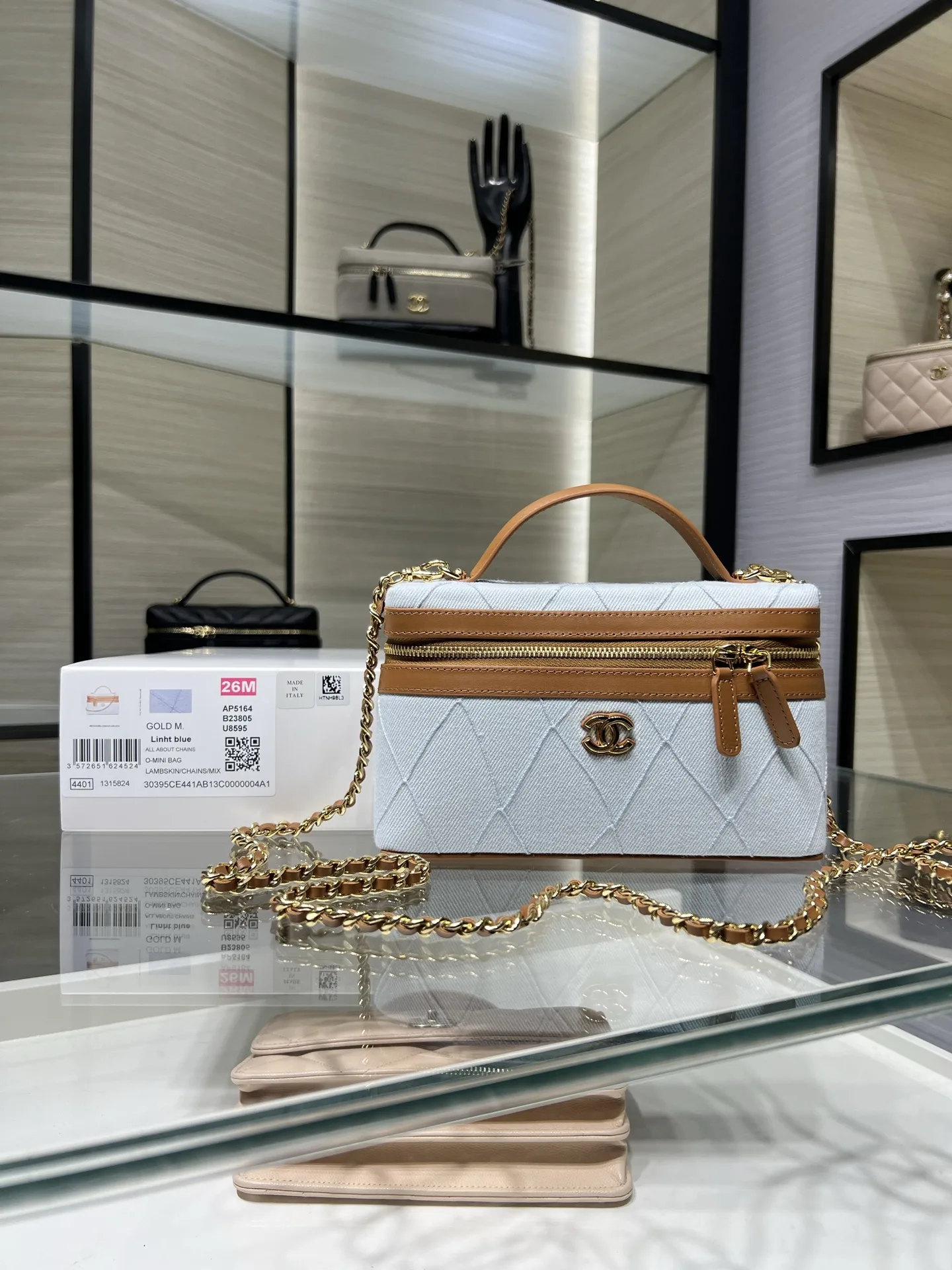 Ohanel 26M New Cocobeach Beach Collection🏝️ Denim embroidered grid LP with cowhide
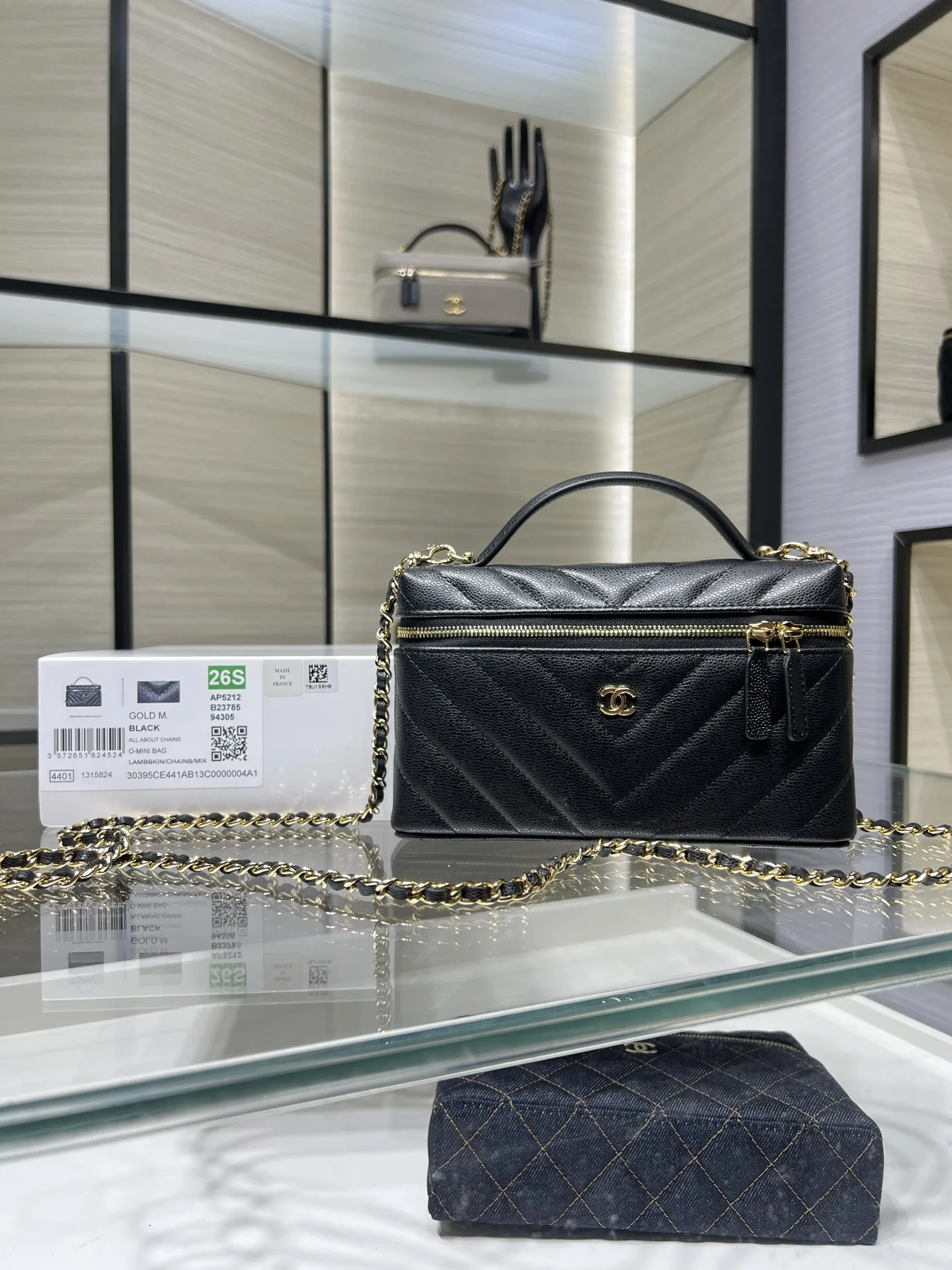 Chanel 26S new V-pattern LP chain handbag with handle. Made of leather.
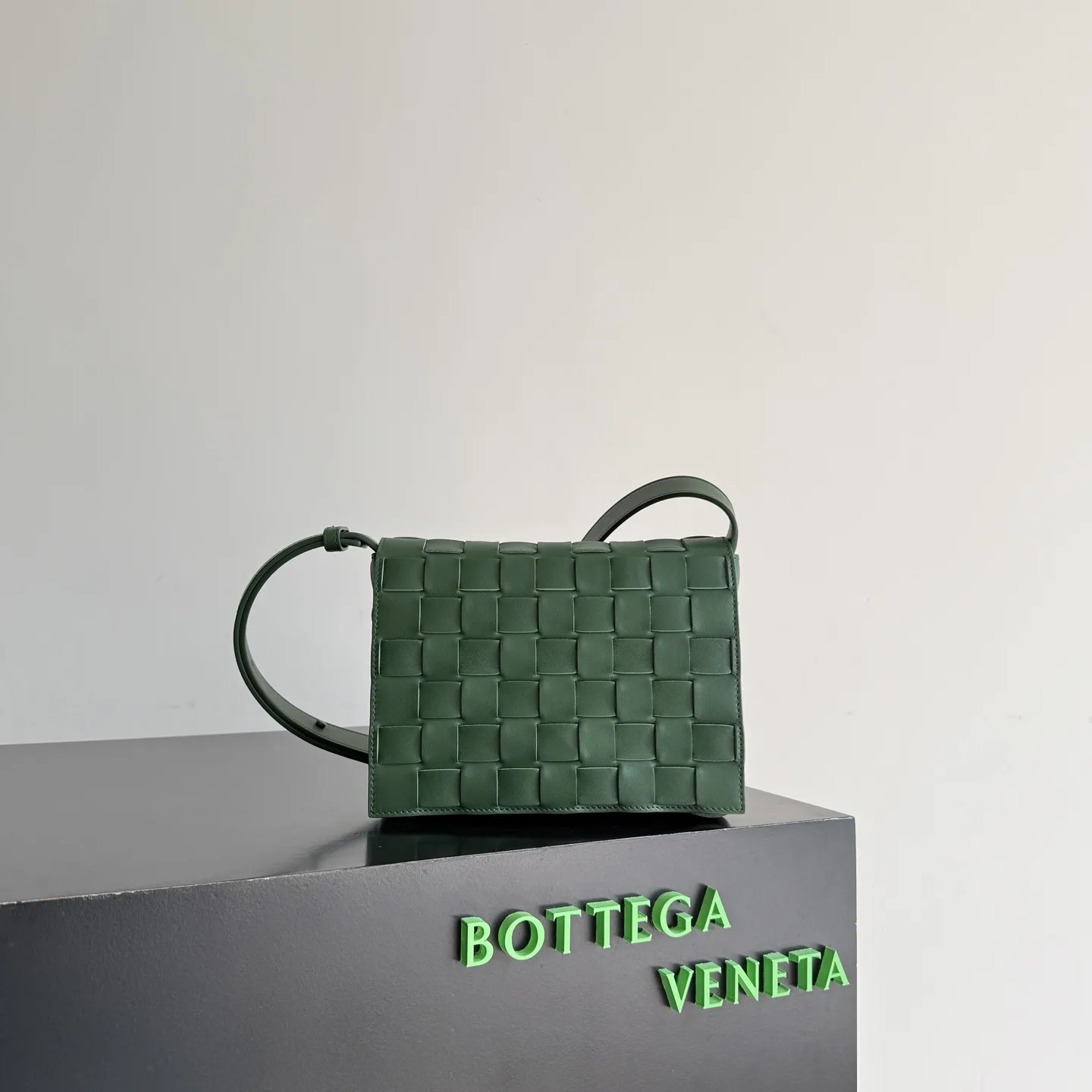 The Orto Messenger bag is truly impossible not to love 🖤It looks like a Cassette but it's not really that! Continuing the iconic classic weaving technique of BV, this Orto Messenger is sleek and tidy, and is a versatile all-purpose commuter bag suitable for both men and women.